

Skip to content
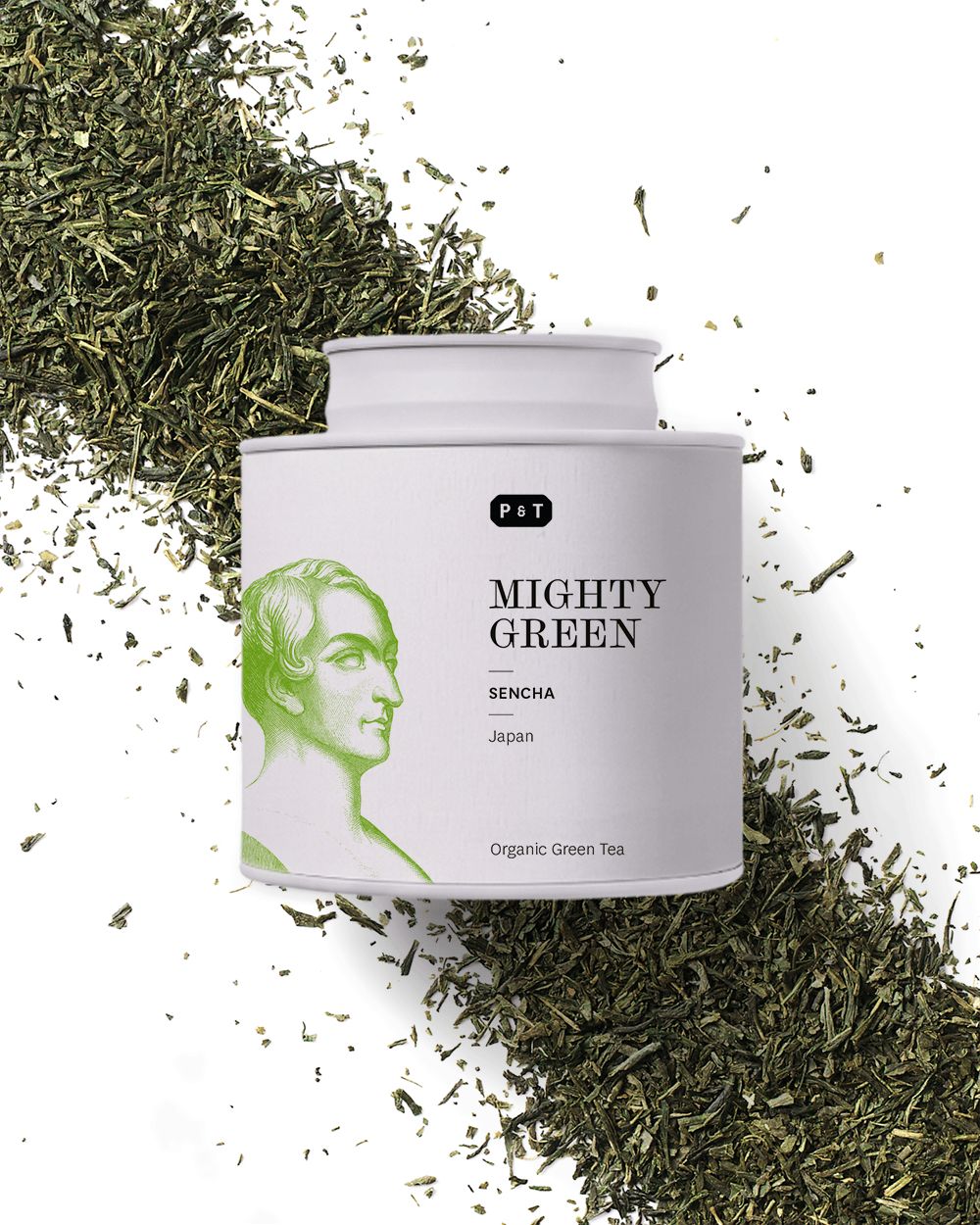
Weißer, zylindrischer Tee-Behälter mit schwarzer Aufschrift 'P&T Mighty Green Sencha Japan Bio-Grüntee' umgeben von grünen Teeblättern

Successfully added!

Cart

Your cart is empty

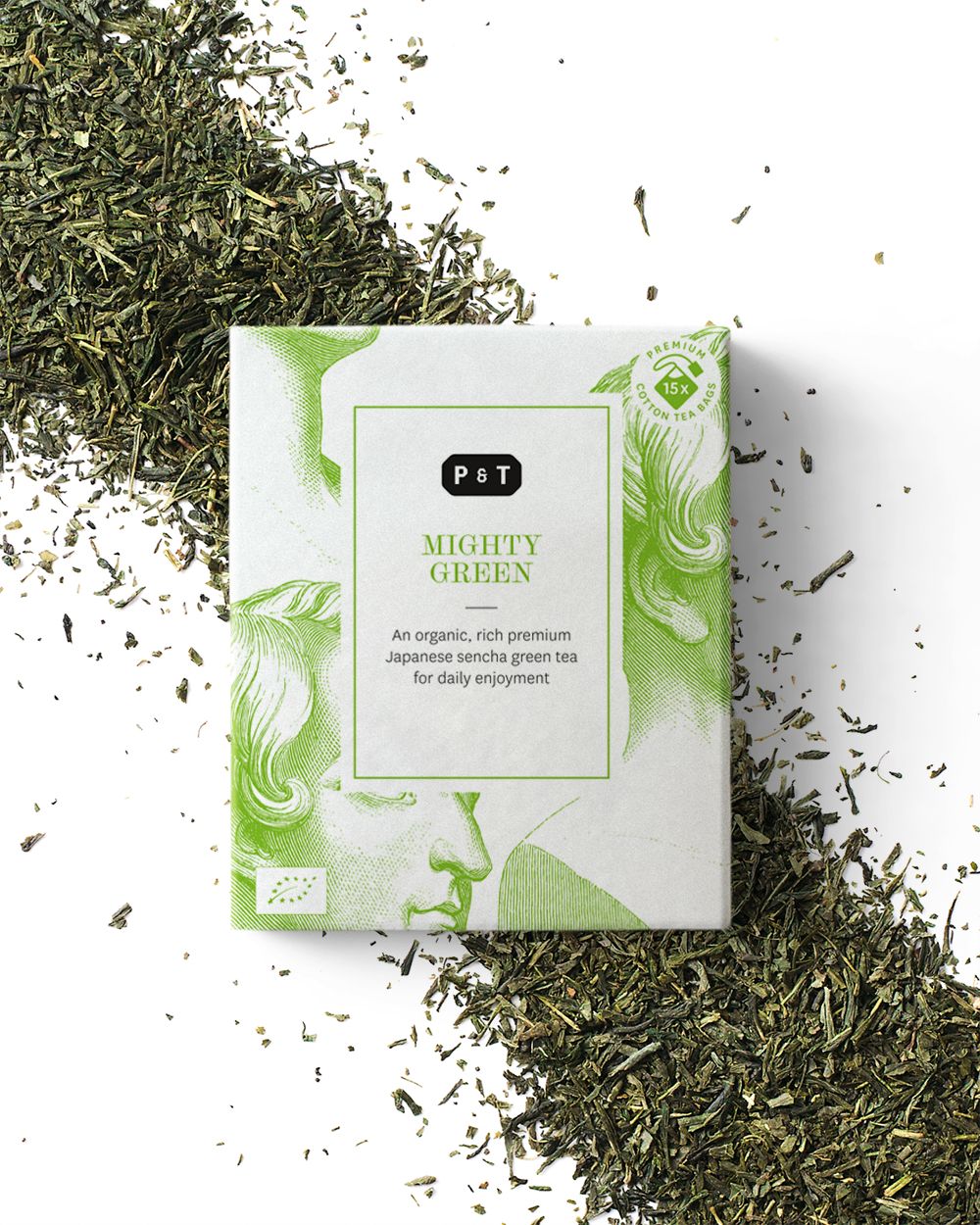
Mighty GreenSencha Green Tea

  • Premium Sencha green tea from Japan
  • Organic quality
  • Strong umami notes
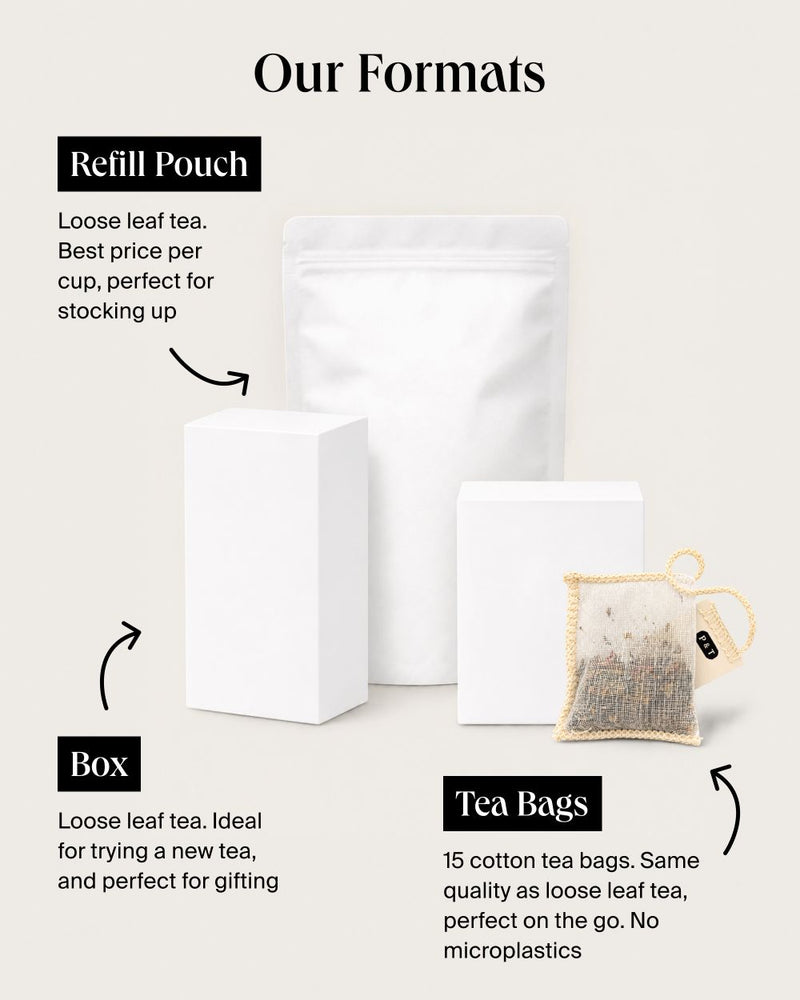
  • In a practical tea caddy, tea bag box or refill bag
€ 19,00
€ 23,75 / 100g incl. VAT, plus shipping

In stock, with you in 3 – 5 days

Erich

I love this tea and drink it every day!

Ingredients
Organic green tea
Japanese green tea* (*certified organic)
Store in a cool and dry place.

Free shipping available

Free from €49, €99 or €149, depending on your country. With you in just a few days.

P&T Club perks

Join for free and get 10% off your first order.

Here for you

Questions about tea, brewing or your order? Our team is happy to help.

Returns within 14 days

Easily registered through our returns portal.

What you'll taste

Green Tea
Mighty Green

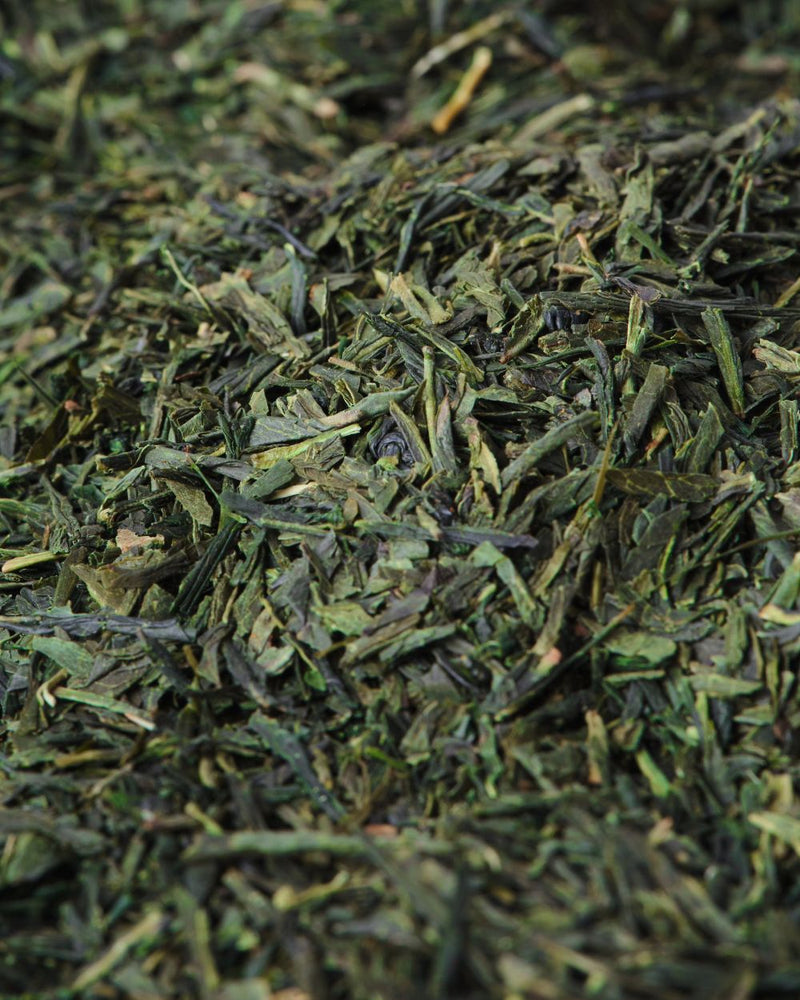
This Japanese Sencha green tea stands out with its juicy-fresh, grassy taste with subtle notes of tomato. These multi-layered flavors delight green tea enthusiasts, making Sencha a popular everyday tea, especially in Japan.

Vegetal
Fruity
Woody / Earthy

How to prepare Mighty Green perfectly

Dose mit japanischem Bio-Sencha-Grüntee MIGHTY GREEN und Grüntee in weiße Tasse auf Holztisch
How to prepare Mighty Green perfectly
  1. Slow down, it's green tea

    Let the water cool slightly, never boiling – that's when the delicate aromas really come through. These leaves have more to give: you can brew them twice.

  2. Chill, it brews itself

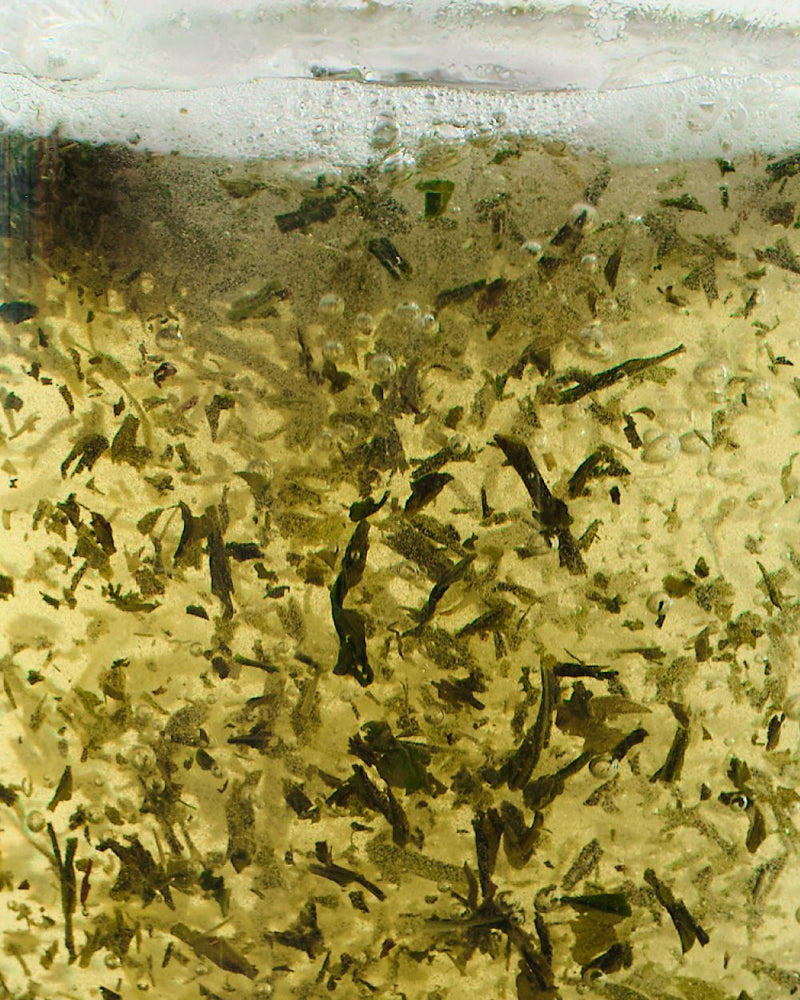
    Steep the leaves in cold water for 1–5 hours in the fridge, strain – enjoy the same day.

  3. Brewed hot, served cold

    Steep a larger amount of green tea hot, but not boiling, as usual, then pour over ice.

The story behind Mighty Green

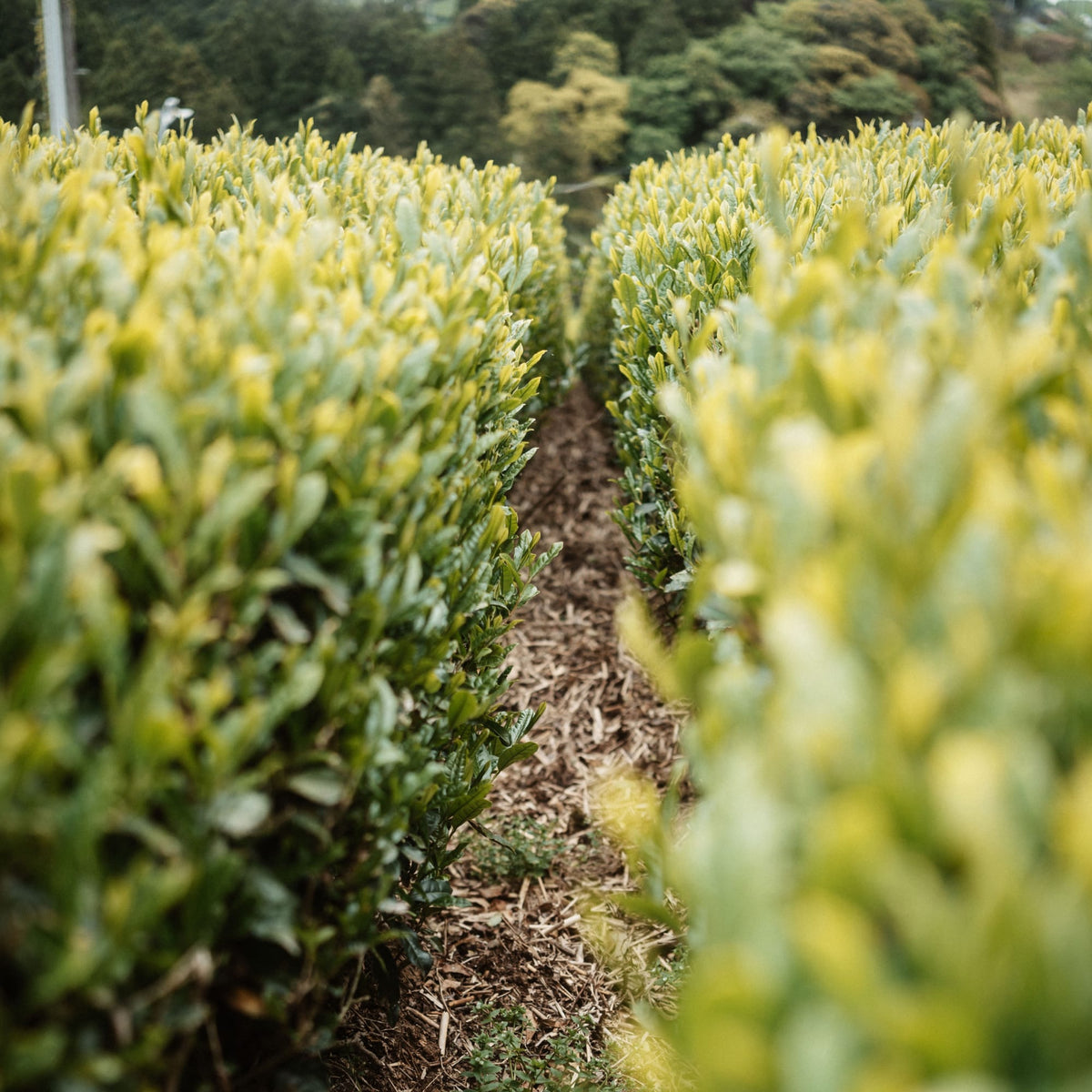
Sencha is cultivated in full sunlight and harvested from April to October. Immediately after plucking, the leaves are steamed for 15-20 seconds to preserve their fresh flavor. They are then rolled into their characteristic needle-like shape and promptly dried to stabilize their form and taste. Finally, they are sorted according to quality.

Reihen von frischen, grünen Teepflanzen mit jungen gelbgrünen Blättern auf natürlichem Boden.
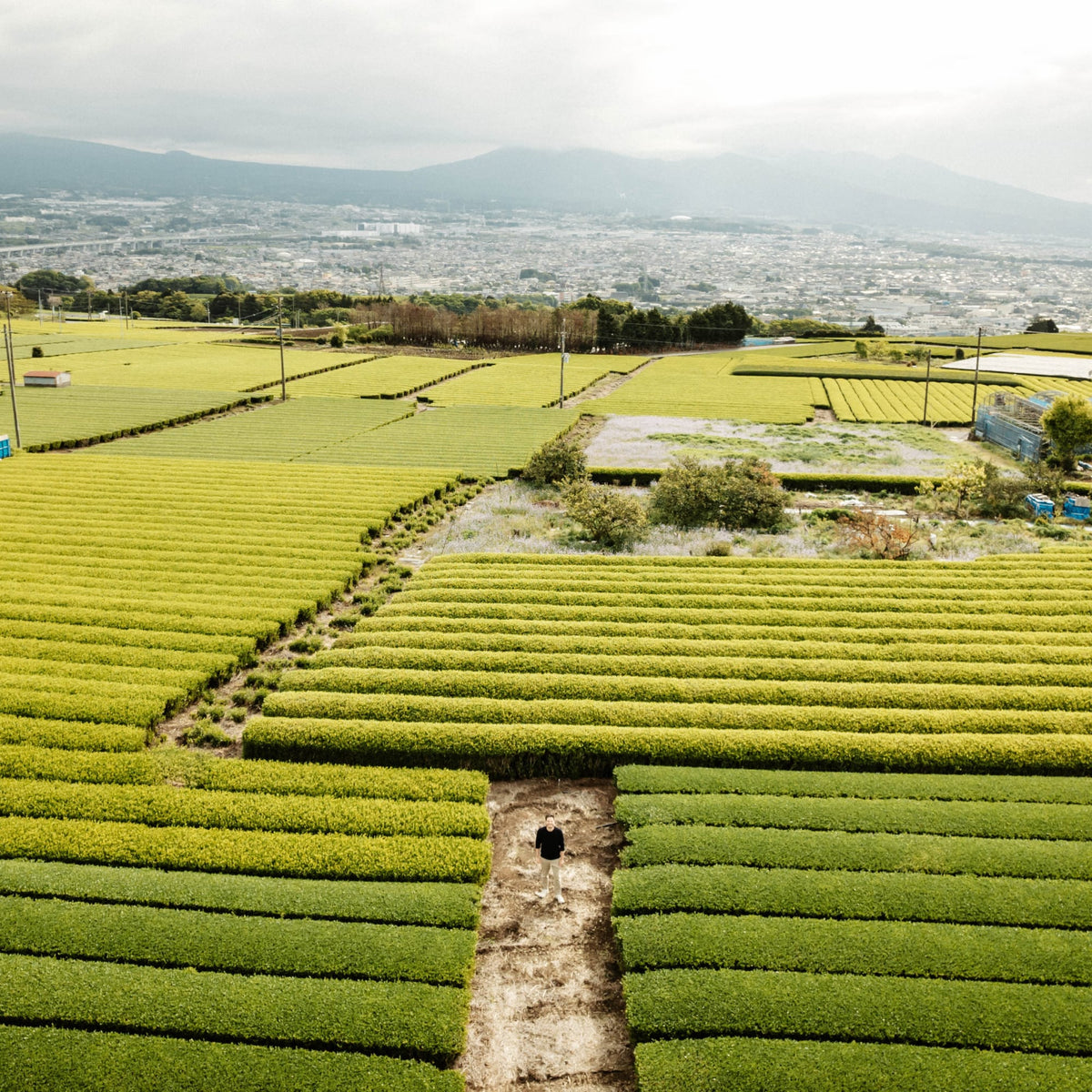
Person auf schmalem Weg zwischen grünen Teebüschen, im Hintergrund Stadt und bewölkte Berglandschaft.
Origin map for Kagoshima, Japan
KagoshimaJapan

Where your tea grows

Sencha green tea is a significant cornerstone in Japanese tea culture and traces its origins back to the early 18th century. It was first popularized around 1738 by Nagatani Soen, a tea farmer from Uji, who introduced the steaming method for green tea leaves. This method preserves the vibrant green color and fresh taste, establishing Sencha as the most widely consumed tea in Japan.
Weißes Marmortablett mit Glasteekanne, drei Teedosen und grünen Teeblättern.
  • From the best
    tea regions

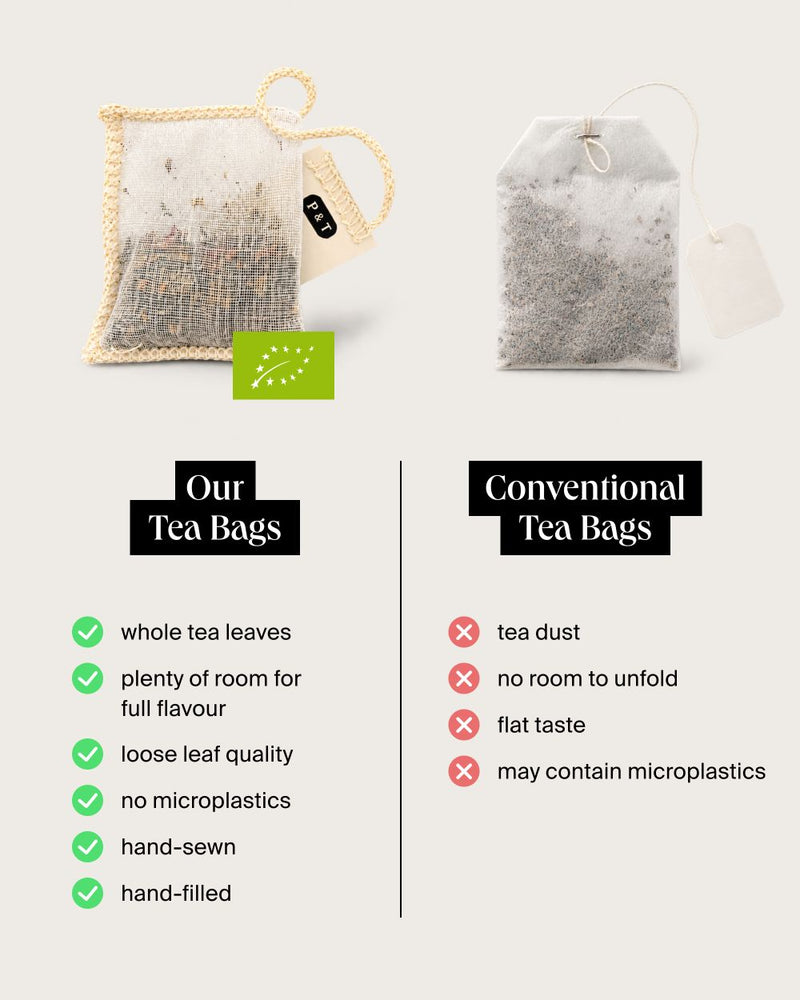
  • Whole tea leaves

  • Pure flavor

  • Responsible
    production

Our Origins Collection

Premium whole leaf and herbal teas

Our Origins bring the variety of our handcrafted premium whole-leaf teas and herbs. A flavorful journey through the world’s best tea-growing regions.

Tried & rated

Real voices from our community. Leave a review and earn club points.

FAQ about Mighty Green

What is Sencha?
Sencha is one of the most renowned green teas from Japan, known for its fresh, grassy flavour. After harvesting, the leaves are steamed to prevent oxidation, then rolled and dried.
What are the benefits of Sencha Tea?
Sencha tea is favoured for its fresh taste and natural caffeine content by tea enthusiasts who seek mindful moments in their daily lives.
How long should Sencha Tea steep?
Sencha tea should ideally steep for 1 to 2 minutes. This brief steeping time allows its full aroma and delicate flavour notes to develop without the tea becoming bitter.
Is Sencha green tea?
Yes, Sencha is a type of green tea and forms a significant part of Japan's tea production. Its distinctive manufacturing process sets it apart from other green teas.
Matcha vs. Sencha: What is the difference?
The primary difference between Matcha and Sencha lies in their processing and presentation. Matcha is made from shade-grown tea leaves that are ground into a fine powder, while Sencha consists of unshaded leaves that are steamed and rolled. This results in distinct flavour profiles that are both highly appreciated by green tea fans worldwide.