P&T Advent Calendar 2026
Winter Edit 2026
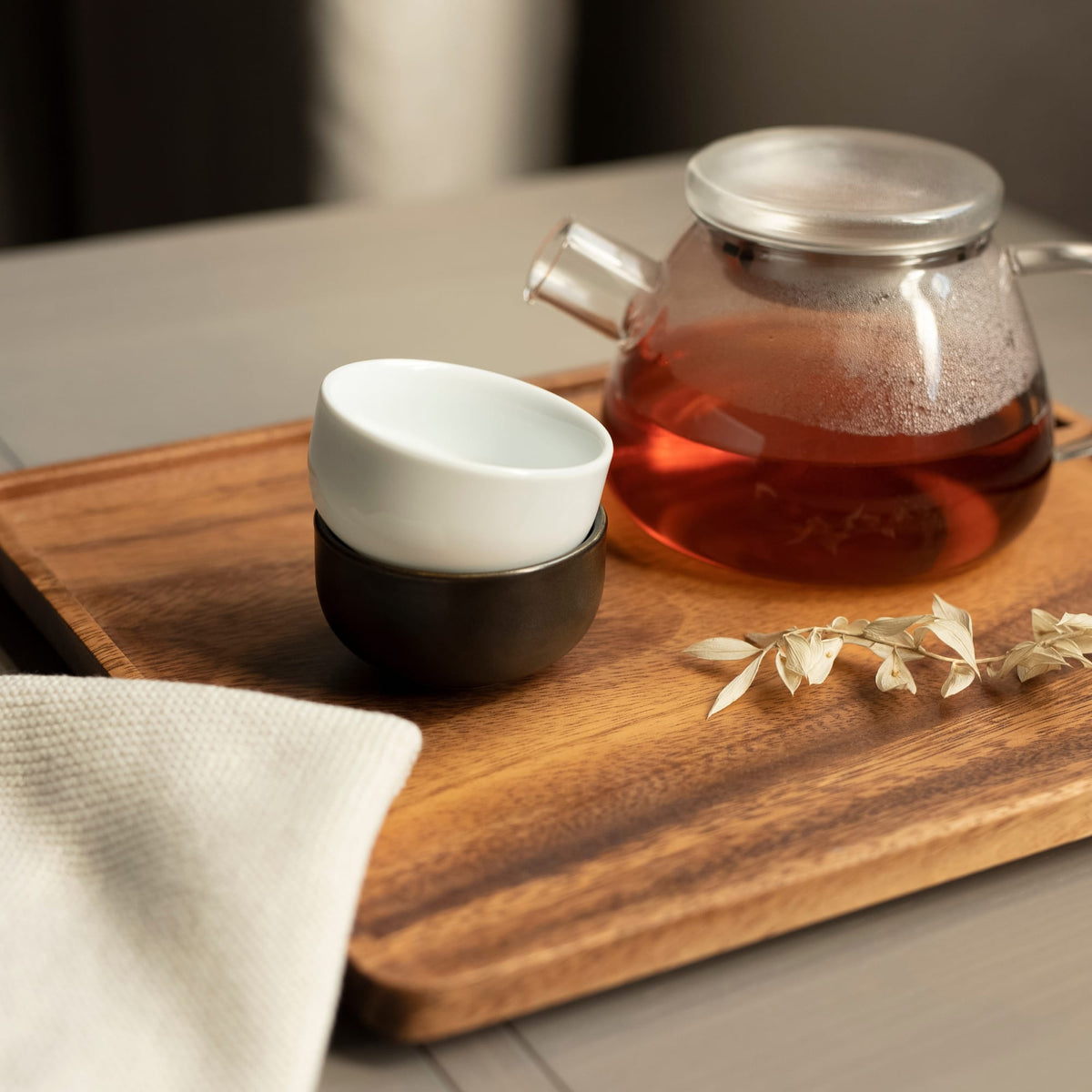
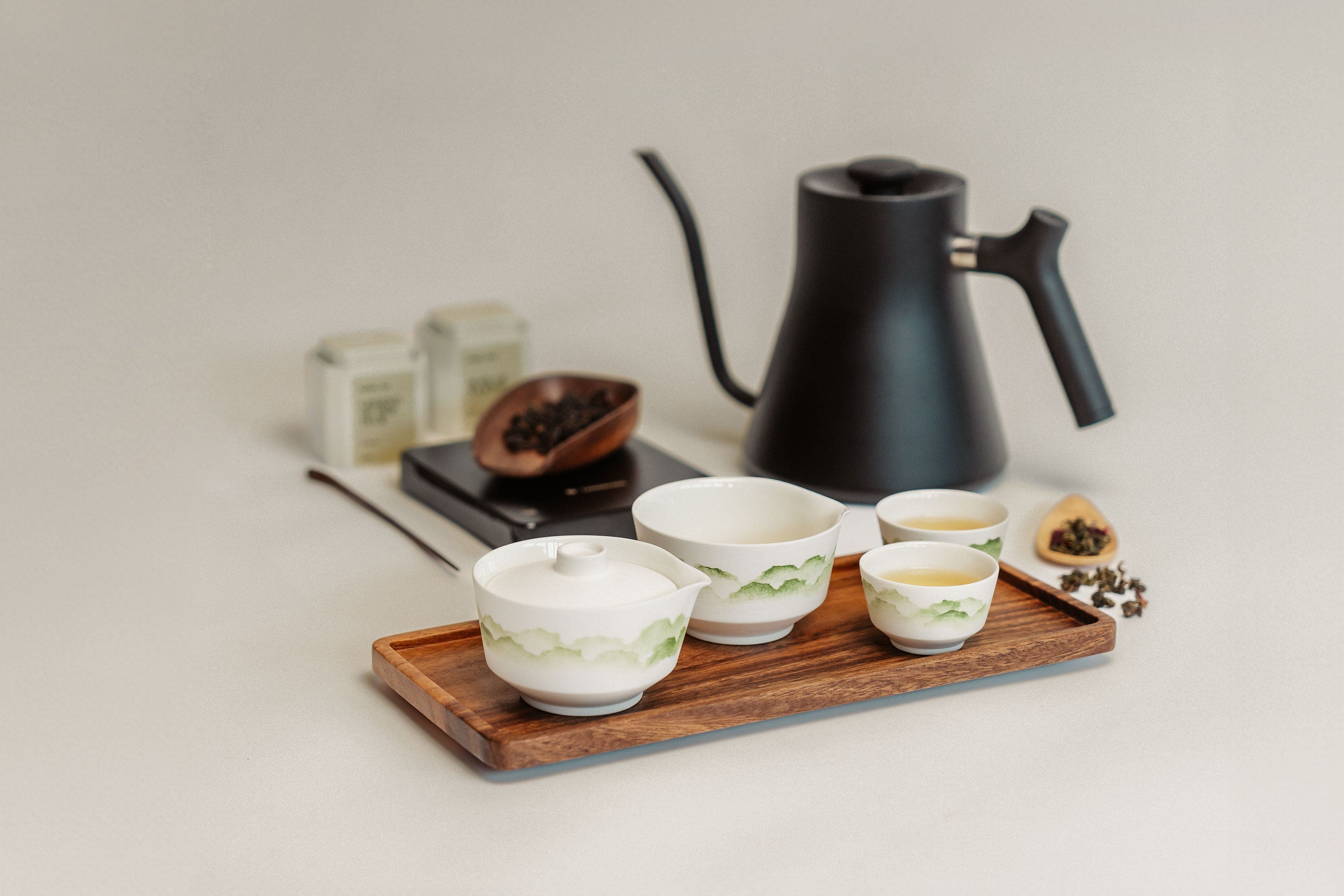
For the perfect brew
Premium-quality tea accessories at home and to go

Perfect
tea preparation

Minimalist
design

Durable
materials

For home &
On the Go
P&T Guide to Kettles
How important is a kettle when it comes to making tea, and what are the differences between the various types? In our guide, you’ll find everything you need to know about kettles for tea.
P&T Guide to Kettles
How important is a kettle when it comes to making tea, and what are the differences between the various types? In our guide, you’ll find everything you need to know about kettles for tea.
Why a Good Kettle Matters for Tea
Water temperature has a major influence on the taste of tea. Different types of tea develop their flavour best at different temperatures.
A high-quality kettle therefore offers:
- Precise temperature control: Many models allow you to heat water to different temperatures, such as 70°C, 80°C or 90°C — ideal for delicate teas.
- Fast heating: Electric kettles bring water to the boil much faster than many other methods.
- Consistent brewing quality: The right temperature helps extract a tea’s aroma and natural flavours to their full potential.
This makes the kettle a key part of every tea-making routine.
Kettles with Temperature Control
Many modern kettles offer variable temperature settings. Instead of always heating water to 100°C, you can select the desired temperature directly.
This is particularly useful for different types of tea:
- 70–80°C – white tea and delicate green teas
- 80–90°C – oolong and many green teas
- 95–100°C – black tea, herbal tea or fruit tea
Features like these make it easier to prepare tea exactly as recommended and bring out the best in its flavour.
Kettle Materials
Kettles are made from a range of different materials, each with its own characteristics.
Stainless Steel
Stainless steel is robust, durable and neutral in taste. Many high-quality kettles use stainless steel on the inside, as it is heat-resistant and easy to clean.
Glass
Glass kettles allow you to watch the boiling process. The transparent material has a particularly modern look and is easy to keep clean.
Ceramic
Ceramic kettles combine classic aesthetics with good heat retention and are especially well suited to an elegant tea set-up.
How to Prepare Tea with a Kettle
Using a kettle is simple and efficient.
- Fill with water: Pour fresh water into the kettle.
- Choose the temperature: Depending on the type of tea, select the appropriate temperature or bring the water to the boil.
- Pour the water: Pour the heated water over the tea in the teapot or tea strainer.
- Observe the infusion time: Allow the tea to steep for the recommended time.
Electric kettles make this process easier, as they heat water quickly and reliably reach the desired temperature.
Which Kettles Are Best for Tea?
Depending on your tea preferences, different types of kettles may be particularly practical.
- Kettles with temperature control: Ideal for different types of tea, as they allow for precise temperatures.
- Kettles with a keep-warm function: Perfect for longer tea rituals or multiple infusions.
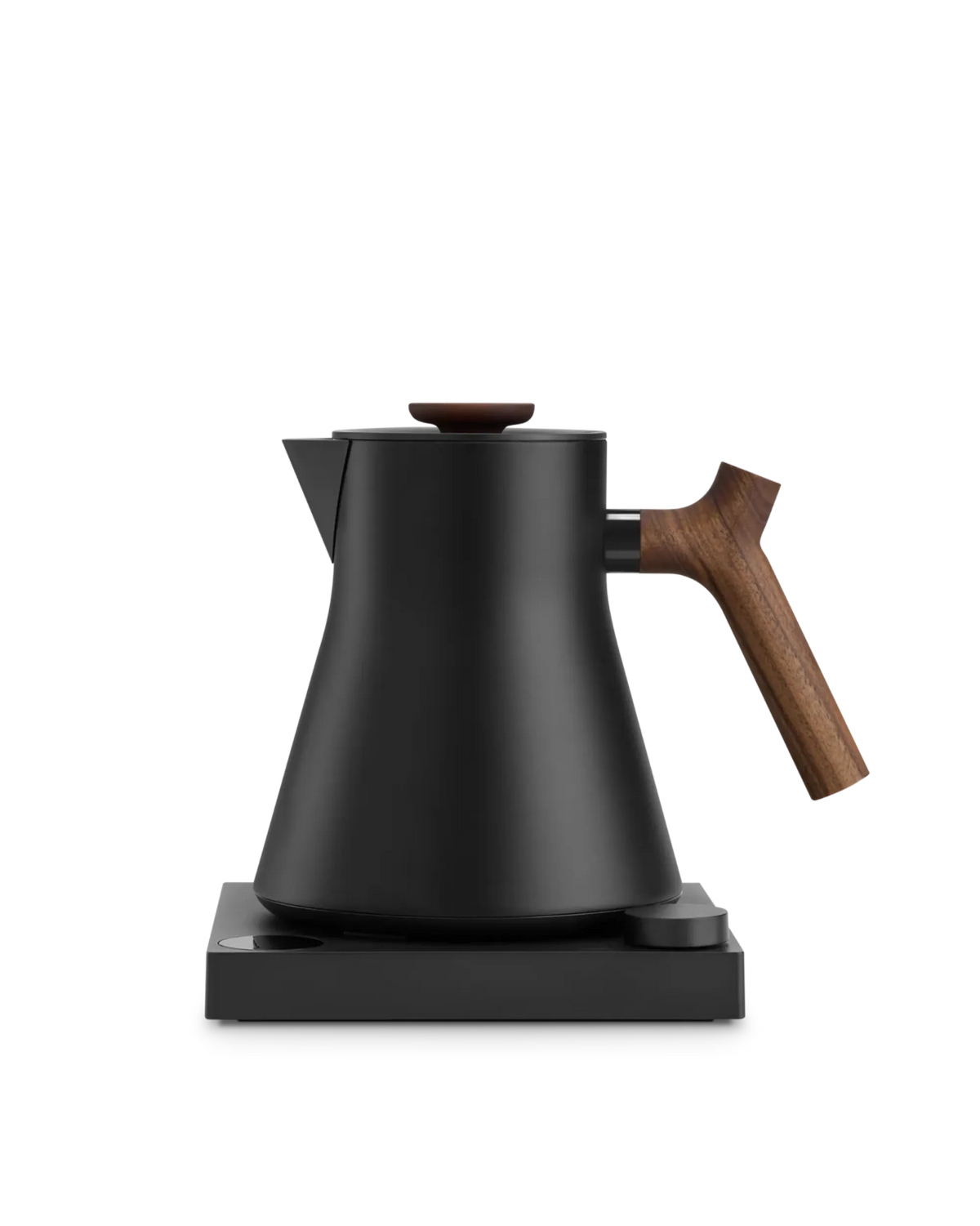
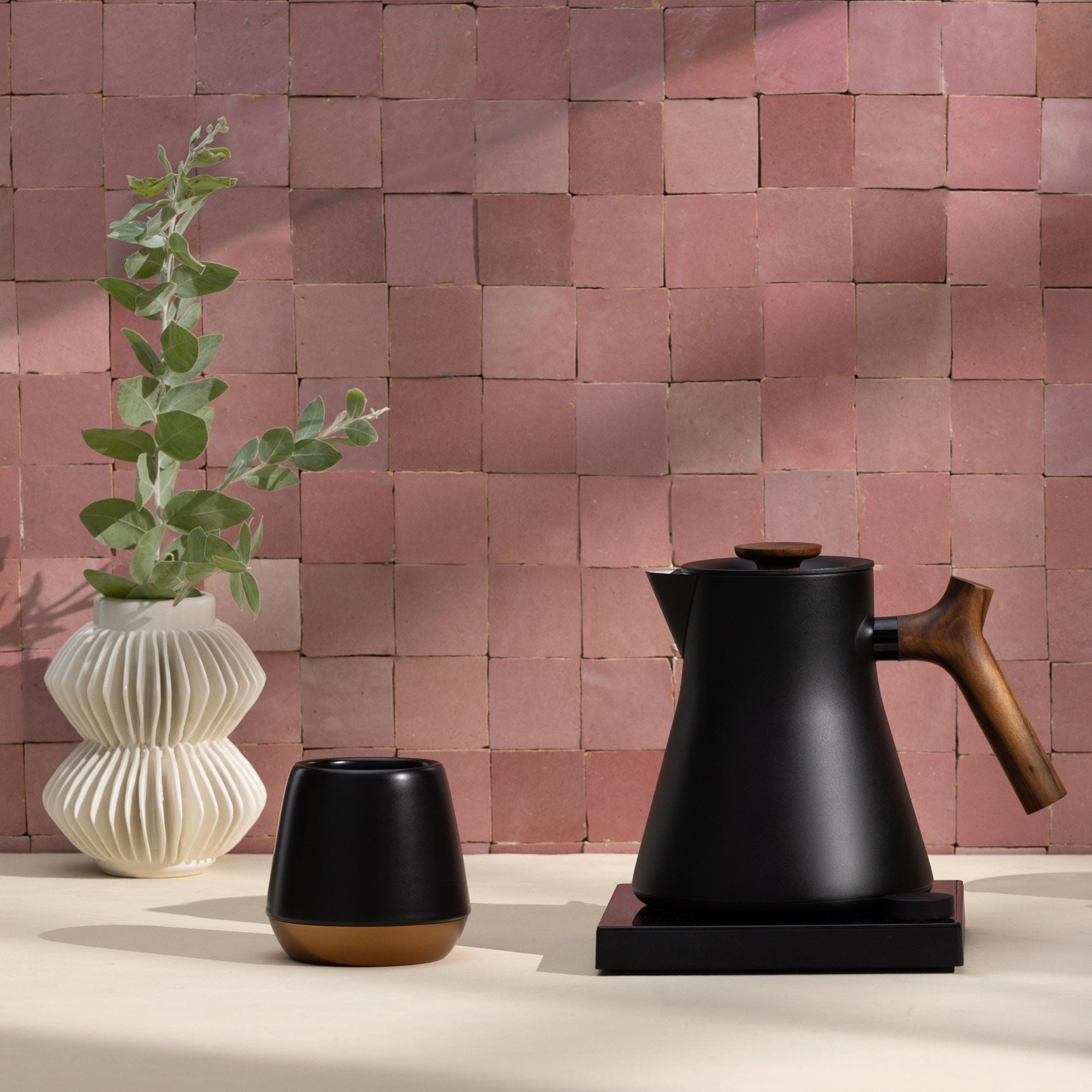
- Designer kettles: Combine functionality with attractive design for modern kitchens and tea set-ups.
Your Questions About Kettles
Answered by P&T experts
Different types of tea develop their flavour best at specific temperatures. Water that is too hot can make delicate teas taste bitter.
Yes. They allow you to adjust the water temperature precisely and are particularly useful for preparing different types of tea and coffee.
Electric kettles usually heat water within a few minutes, depending on the power of the kettle and the amount of water.
Yes. Kettles are also suitable for heating water for coffee, hot chocolate, instant meals and other hot drinks.
P&T Magazine
Discover our latest stories