Description
Yancha, or Rock Tea, is renowned for its rich and multifaceted flavour profile. Its unique combination of mineral notes, floral nuances, and often a hint of roasted aromas creates an unmistakable tea that appeals to both newcomers and seasoned tea enthusiasts. Yancha is celebrated for its ability to endure multiple infusions, with each brew revealing different flavour dimensions. This tea type is highly regarded by connoisseurs who cherish its intricate and long-lasting aftertaste.
Geographical Details and Terroir
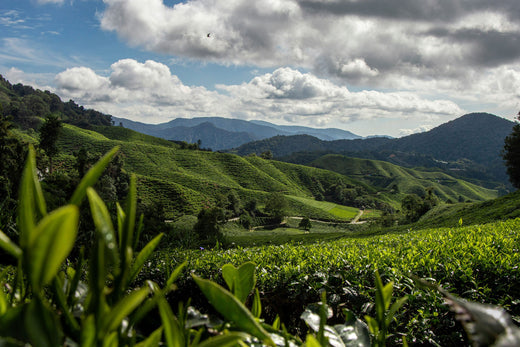
The Chinese Wuyi Mountains, designated as a UNESCO World Heritage Site, offer a unique environment with rugged rocks and dense fog, creating an ideal microclimate for tea cultivation. The permeable, mineral-rich soils significantly enhance the high-quality attributes of this sought-after tea. These steep mountain slopes are inaccessible, necessitating handpicked harvest methods that contribute to the exclusivity of Rock Tea.
Historical Background
The origins of Rock Tea trace back to the Tang Dynasty (618–907 AD), with refinement continuing into the later Ming Dynasty (1368–1644 AD). Celebrated at the imperial court ceremonies, legends recount emperors and scholars who were captivated by the unique flavour of Yancha, explaining its centuries-long popularity.
Interesting Facts
- The five most renowned Yancha varieties are known as the "five great Wuyi Rock Teas", with the Da Hong Pao (大红袍), meaning "Big Red Robe", enjoying global recognition.
- Harvesting in the challenging terrains of the Wuyi Mountains involves meticulous hand labour, making these teas particularly exclusive and costly.
- A traditional Wuyi Rock Tea is often served in small cups, allowing the flavour nuances to be fully appreciated across multiple infusions.