



You probably know the feeling. Your yoga class has just finished. Your mind feels a little clearer, your body feels grounded, and as you roll up your mat, you notice a few steaming cups of tea waiting in the corner of the studio. Maybe one has already been poured for you. The perfect excuse to take a deep breath, stay a little longer, or chat with fellow yogis.
Why is tea such a familiar sight in yoga studios, right alongside yoga mats and meditation cushions? And how can tea support your yoga practice? Let's take a closer look.
Yoga and tea: More than a wellness stereotype
At first glance, yoga and tea might seem like the ultimate wellness cliché. But there’s actually much more to it than that.
Both yoga and tea are rooted in centuries-old traditions and are still practised today as intentional rituals. They encourage us to slow down, shift our focus inward, and pay a little more attention to ourselves.
While yoga works through movement, breath, and body awareness, tea creates a moment of stillness. The simple act of brewing tea, taking in its aroma, and feeling the warmth of the cup can help us transition from the noise of everyday life into a calmer state of mind. In short, the two make a surprisingly perfect match.

What yoga and tea have in common
Yoga and tea have been linked for a long time. Not just because both can feel relaxing, but because they serve a similar purpose: they help us step out of autopilot and reconnect with the present moment.
Both bring you back to the present
If we're honest, much of the day is spent either worrying about what’s next or replaying what’s already happened.
Yoga encourages us to return to the here and now. Our attention shifts to the breath, the movement, and what our body needs in that moment.
Tea works in a similar way. When you take the time to prepare and enjoy a cup of tea, your attention naturally turns to the experience itself. The aroma, the warmth of the cup, and the subtle flavours all help anchor you in the moment.
It sounds simple. But it often has a bigger impact than we realise.
Both create space for small rituals
Not every self-care routine needs a 5 a.m. wake-up call or an elaborate wellness schedule.
Sometimes, a small ritual is enough.
Both yoga and tea are easy to incorporate into daily life. They create intentional pauses and help us slow the pace of the day.
Perhaps that's exactly why they’ve remained so popular: they feel accessible, realistic, and easy to return to.

Why so many yoga studios serve tea
If you practise yoga regularly, you've probably noticed that tea is often available before or after class. There are several reasons for that.
Helping you arrive before practice
Many people come to yoga straight from work, busy commutes, or demanding schedules.
A cup of tea can create a small transition between everyday life and yoga practice. It signals to the body and mind that it's time to slow down.
Helping you unwind afterwards
After a yoga session, many people notice a greater sense of calm and mental clarity.
A warm cup of tea can help extend that feeling. Rather than immediately checking notifications or rushing on to the next task, tea creates a brief pause. A gentle landing before returning to everyday life.
Creating community
Yoga is about more than movement. For many people, it also offers a sense of connection.
Tea naturally creates opportunities for conversation and shared moments.
Holding a warm cup can make it easier to stay for a few extra minutes, exchange experiences, or simply enjoy the atmosphere together.
Put simply, tea has a way of bringing people together. Effortlessly and without pressure.
The positive effect of tea on your yoga practice
Tea isn't a miracle solution, nor does it replace sleep, movement, or a balanced lifestyle.
Still, there are several reasons why tea lovers often pair it with yoga.
Focus without the frenzy
Green tea and matcha naturally contain caffeine as well as L-theanine, an amino acid found almost exclusively in tea.
Many people describe this combination as promoting a sense of calm focus and steady energy. Unlike the fast-paced buzz often associated with coffee, tea is frequently experienced as more balanced and gradual.
That can be especially appealing before a morning yoga session or a dynamic Vinyasa flow.

A moment that's just for you
Sometimes the real benefit isn't the tea itself.
It's the fact that we stop.
The first sip of a warm cup can feel almost meditative. That's one reason why so many people consciously incorporate tea into their yoga and meditation routines.
Which tea pairs best with different types of yoga?
Choosing a tea is a bit like choosing a yoga class: it depends on what you need. More energy? More focus? Or maximum cosy vibes after a Yin Yoga session?
Here are a few teas that pair particularly well with different styles of practice.
For morning yoga: green tea or matcha
Want to wake up without launching straight into the day at full speed?
Green tea and matcha are popular choices before more dynamic styles such as Vinyasa or Power Yoga. They’re often appreciated for providing gentle energy and mental clarity.
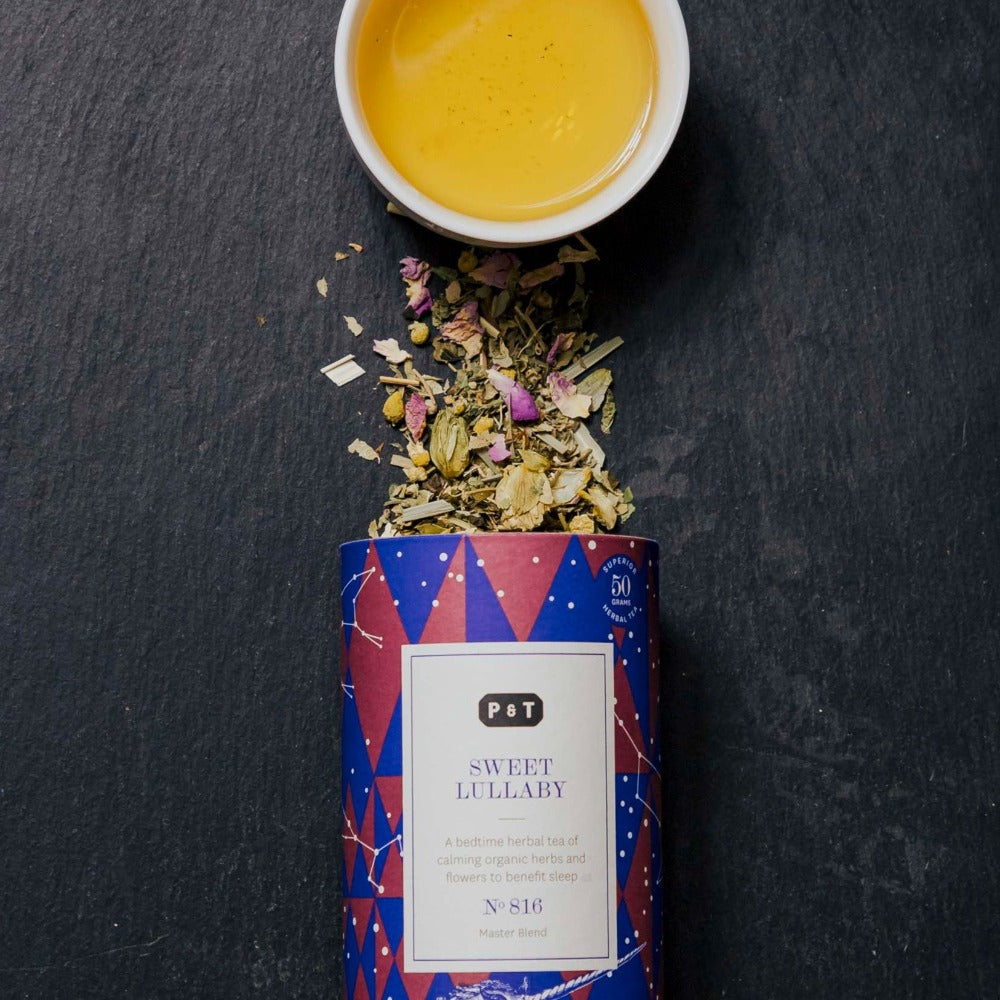
For yin yoga and evening rituals: chamomile, lavender & lemon balm
If your yoga practice is all about slowing down after a busy day, herbal teas featuring chamomile, lavender, or lemon balm are natural companions.
These botanicals have long been associated with calming evening rituals and pair beautifully with slower styles such as Yin Yoga and Restorative Yoga.

For balance and digestive comfort: peppermint, fennel & lemongrass
Sometimes the goal isn't deep relaxation, but simply feeling lighter and more comfortable.
Herbal teas containing peppermint, fennel, or lemongrass are popular choices after yoga. These ingredients have traditionally been enjoyed as part of gentle wellness rituals and enjoyable moments after meals.
For Mental Clarity: Tulsi, Lemon Verbena & Rosemary
Not every yoga session is designed to make you sleepy.
Perhaps you want to feel focused before starting work, or clear-headed after a midday practice.
In those moments, herbal infusions with tulsi (holy basil), lemon verbena, or rosemary are often favoured by people looking to cultivate a sense of presence and concentration.
They pair particularly well with dynamic yoga styles and meditation practices where focus takes centre stage.
Making tea part of your yoga practice at home
The good news is that you don't need a yoga studio to enjoy the connection between yoga and tea.
Even a simple ritual at home can make a difference.
Maybe you prepare a cup of matcha before your morning practice. Maybe you curl up on the sofa with a herbal tea after a restorative Yin Yoga session.
It's not about doing everything perfectly. It's about creating meaningful moments. And all you really need to do is start.
Why yoga and tea work so well together
We spend a lot of our time trying to be more productive, achieve more, and be everywhere at once. Yoga reminds us that we don't always have to perform. Tea does something similar.
Both encourage us to slow down, breathe a little deeper, and return our attention to the present moment.
Perhaps that's why tea has become such a familiar part of yoga studios. Not because it's trendy, but because it reflects exactly what many people are looking for on the mat: balance, mindfulness, and a small moment that's entirely their own.
Whether enjoyed before practice, after class, or simply as a mindful pause during the day, tea can be a wonderful addition to your yoga routine.
And maybe a little more balance doesn't start on the mat after all. Maybe it starts with a warm cup in your hands.
Breathe in, breathe out
[[ Product Slider ]]