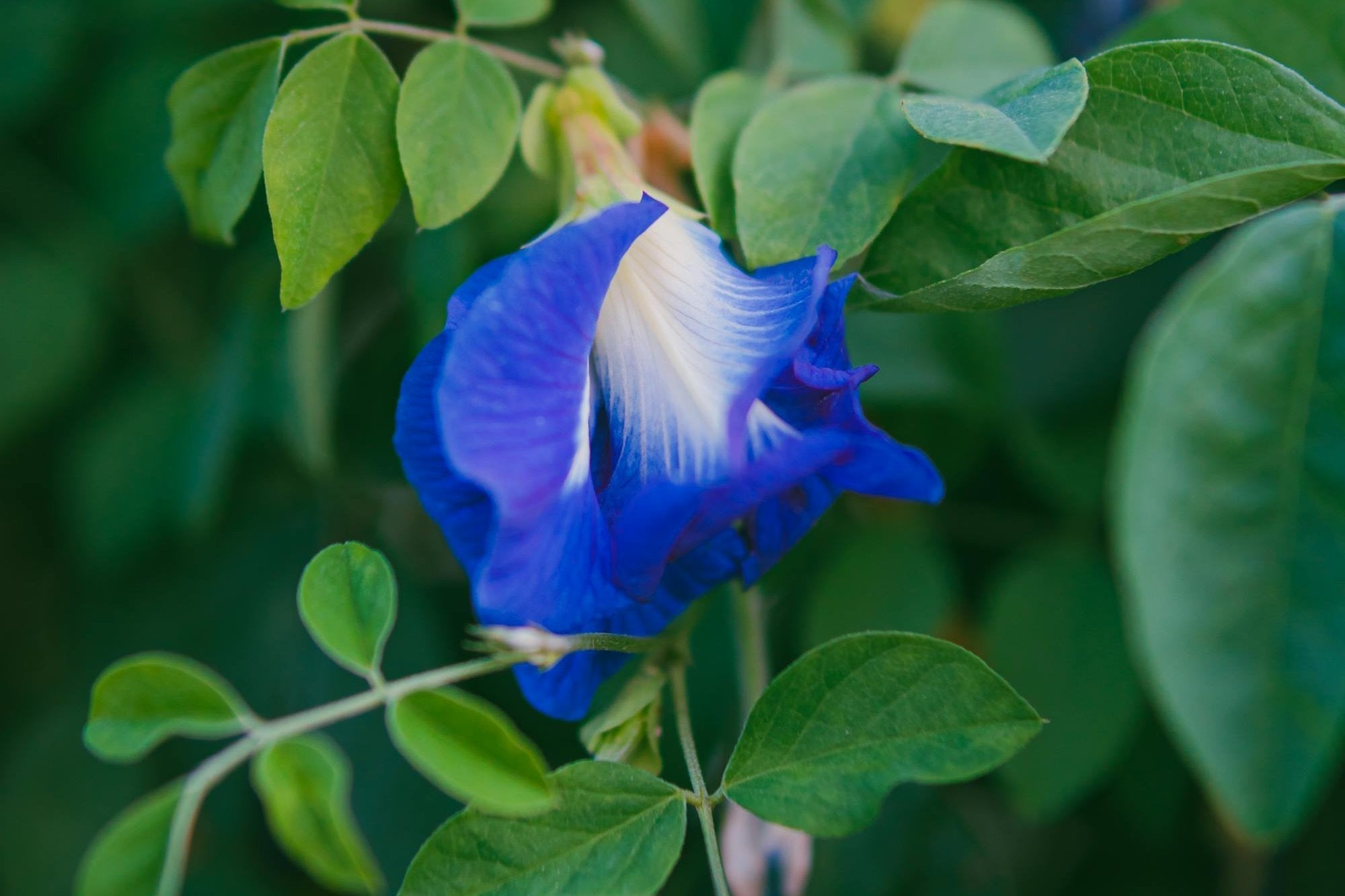
Description
Rose petals are prized for their delicate aromas and subtle floral flavour. They make a popular addition to gourmet dishes and desserts, infusing flavours with a fragrant hint. In tea blends, rose petals enhance the flavour profile and create a pleasant olfactory experience. Beyond culinary applications, rose petals are often used in cosmetics for their skin-care properties.
Historical Background
Roses have a rich and fascinating history dating back to ancient times. In Egypt, Greece, and Rome, rose petals were venerated as symbols of love and beauty. They were equally esteemed in Chinese and Indian cultures, finding their place in traditional remedies and rituals. Persians are credited with perfecting the technique of rose water production, a by-product that remains popular worldwide today.
Interesting Facts
- Not only are rose petals edible, but they are also a great source of vitamins and antioxidants.
- In aromatherapy, the fragrance of rose petals is often used to promote relaxation and well-being.
- Rose water, distilled from rose petals, is used globally as a flavouring in various cuisines.
- Rose teas, often made from Damask roses, are traditional beverages in Turkey and the Middle East.
- Roses hold significant symbolism; depending on their colour and cultural context, they represent emotions like love, friendship, or secrecy.