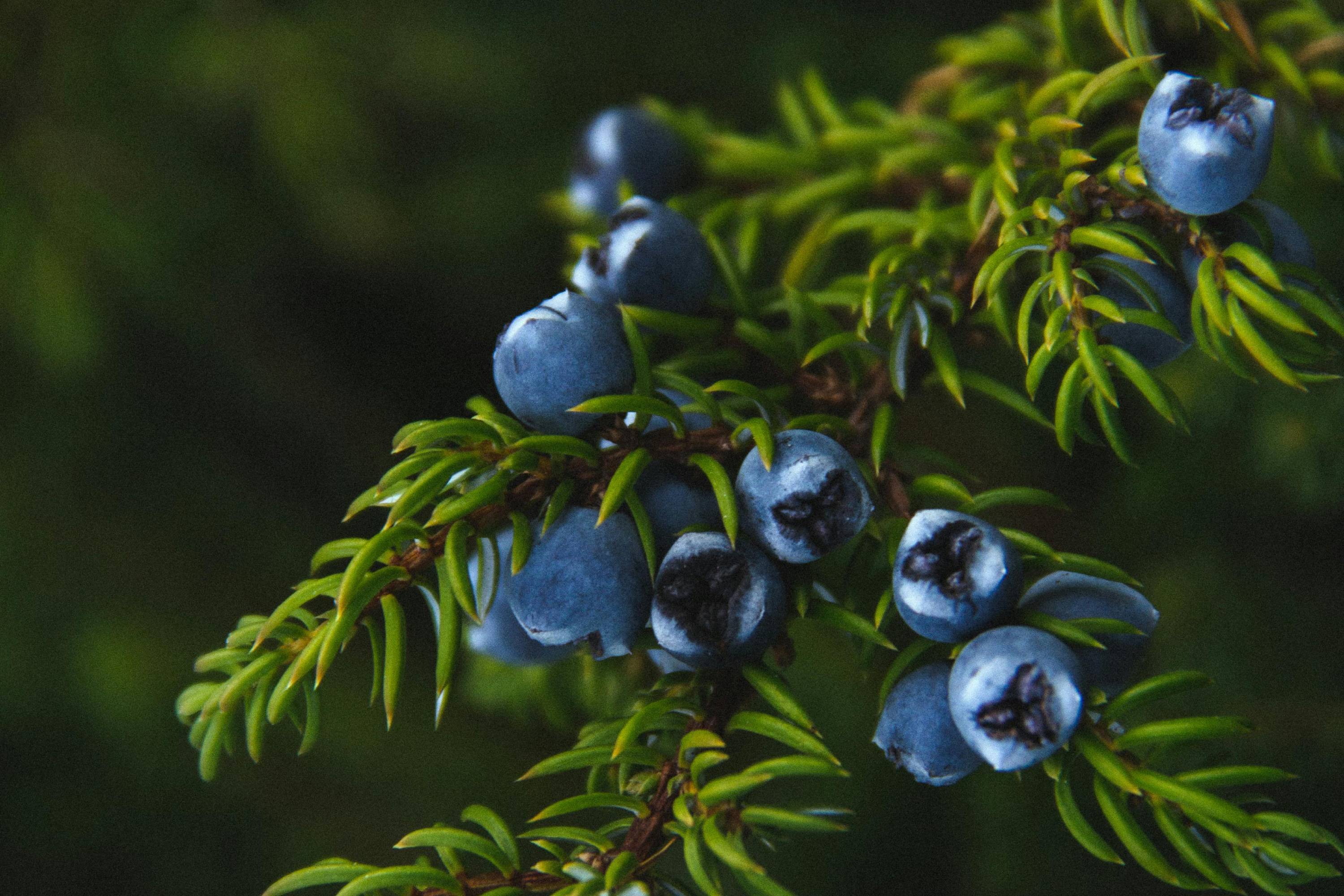
Description
Sea buckthorn berries are frequently processed into products such as juices, jams, and oils. Their unique taste makes them a valued ingredient in the culinary world, and they are rich in Vitamin C, beta-carotene, and unsaturated fatty acids. In the cosmetics industry, these berries are utilised for their natural nurturing properties in creams and lotions, known for their hydrating effects.
Historical Background
Native to Asia and Europe, sea buckthorn has a rich tradition in folk medicine. In countries like Tibet and Mongolia, the berries have been used for centuries as a versatile remedy. Today, sea buckthorn cultivation has spread to various parts of the world, including Scandinavia and Russia. The plant has always been valued for its resilient properties, thriving in barren and salty soils.
Fascinating Facts
- Superpower: Often known as the "Lemon of the North," sea buckthorn boasts a vitamin C content far exceeding that of lemons.
- Robust and Hardy: Sea buckthorn is extremely winter-hardy, capable of withstanding temperatures as low as -40°C.
- Culinary Variety: Beyond juices, sea buckthorn berries are used to craft liqueurs, sorbets, and as an ingredient in tea blends.
- Mythology: According to legend, sea buckthorn was fed to the horses of Alexander the Great to give them shiny coats.
- Ecological Value: Sea buckthorn contributes to soil stabilisation, making it particularly useful in areas threatened by erosion.