Description
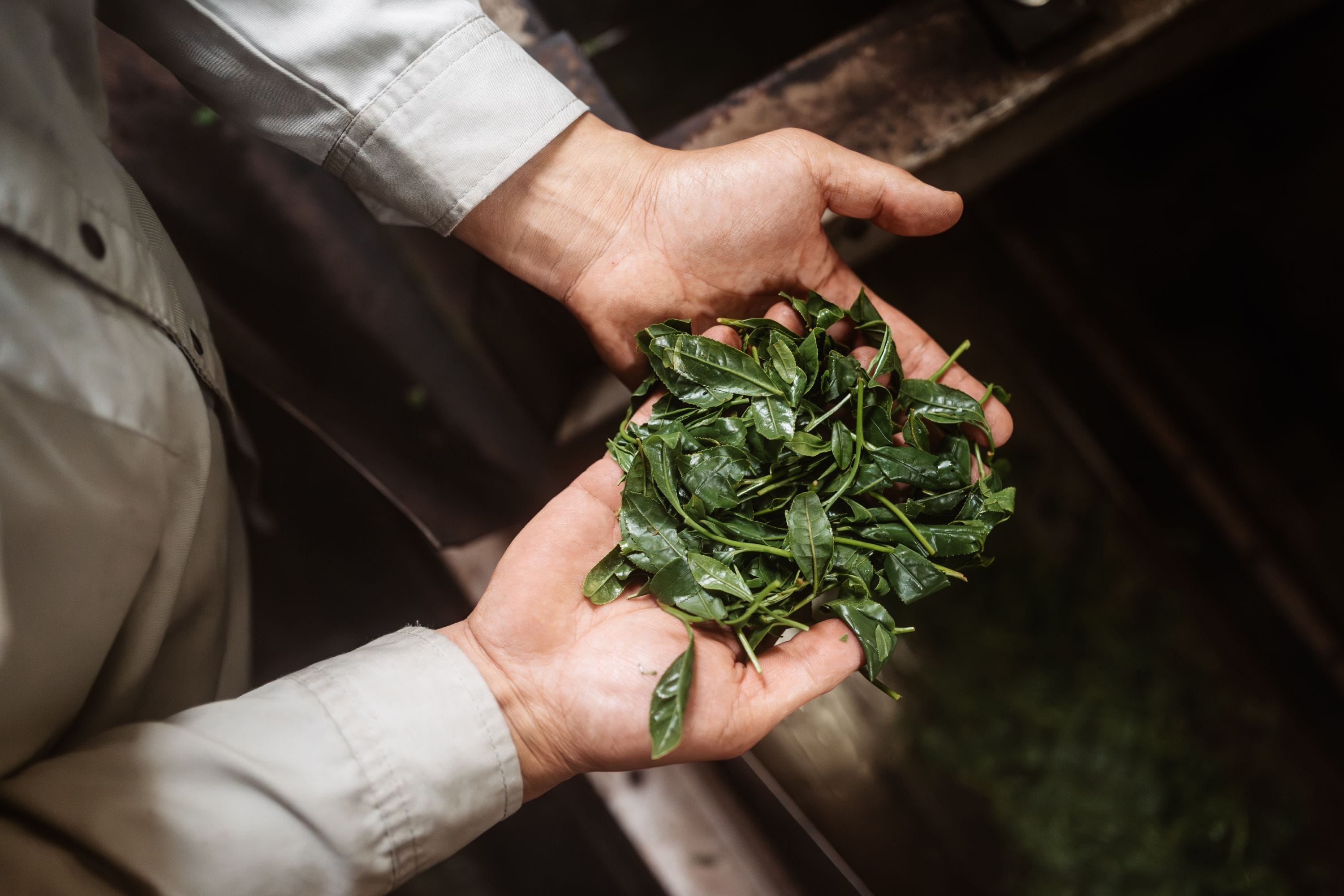
Renowned for its superior quality and unique cultivation process, Tencha is grown under shaded conditions several weeks prior to harvest. This method, called the Tana method, ensures that the leaves generate increased chlorophyll and reduced bitterness, enriching Tencha with its distinctive taste. After harvesting and gentle processing, the leaves are dried whole, which later allows them to be easily ground into the fine powder used for matcha production. Though it is typically associated with matcha, Tencha can occasionally be enjoyed as a loose leaf tea, albeit less commonly.
Historical Background
The history of Tencha can be traced back to the 12th century, when Buddhist monks brought the technique from China to Japan as part of meditation rituals. Originally, Tencha cultivation was limited to regions like Uji in Kyoto Prefecture, which remains famous for high-quality Tencha production due to its favourable climate and centuries-old tea-growing traditions. Today, Tencha holds a significant position within Japanese tea culture and is exported worldwide.
Interesting Facts
- Basis for Matcha: Distinct from other teas, matcha is made directly from Tencha by grinding the dried leaves into a fine powder.
- High Umami Content: The shading technique boosts the amount of amino acids, specifically theanine, which contributes to the tea's rich umami flavour.
- Rarely Consumed as a Drink: As loose leaf tea, Tencha is rarely available since it is primarily used for matcha production.
- Craft Excellence: The art of Tencha production is deeply rooted in Japanese culture, being passed down through generations.
- Health Benefits: Tencha is noted for its high antioxidant content, which can help protect the body from free radicals.