



Ever have those weeks when everything seems to happen at once? Your to-do list keeps growing, stress is coming at you from every direction, your phone won’t stop buzzing, and suddenly even the smallest challenge feels like too much.
So why do some people seem to navigate difficult periods surprisingly well? Often, the answer is resilience. And before you think resilience is something you're either born with or not, that's not actually the case. Inner strength isn't a talent you're born with. It's a skill that can be developed. Not overnight, but gradually, one step at a time. And often, it's the small daily habits that make the biggest difference.
Resilient people don't have easier lives
When we think of resilient people, we often imagine someone who stays positive all the time, never doubts themselves, and handles every setback with a smile. The reality looks very different.
Resilient people experience the same stress, setbacks, disappointments, and moments of uncertainty as everyone else. The difference isn't that they go through difficult situations. It's how they respond to them.

Resilience doesn't mean being strong all the time
Everyone has moments when they feel overwhelmed, exhausted, frustrated, or sad. Resilience isn't about pushing those feelings aside. It's about recognising them, accepting them, and finding a way forward anyway.
It's not about perfection. It's about adaptability.
Resilient people don't try to control everything. Instead, they focus on adapting to change and staying capable of taking action, even when things don't go according to plan. Or to put it another way: sometimes "good enough" is far more useful than perfect.
Why resilience matters more than ever today
Modern life has probably never felt quite this busy. Between notifications, video calls, social media, news updates, and packed calendars, there often isn't much room left to pause and breathe. Many of these pressures seem small on their own. But they add up.
That's why resilience has become such an important life skill. Not just for major life crises, but also for the everyday challenges that show up in our daily lives. Inner strength doesn't only reveal itself when everything falls apart. It often shows up in how we handle stressful weeks, difficult conversations, unexpected changes, and daily setbacks.
7 simple ways to build resilience in everyday life
1. Stop expecting every day to be perfect
Many of us put pressure on ourselves to be productive, motivated, and positive every single day. But real life doesn't work like that. Instead of asking yourself, "Was today perfect?", try asking a different question: "What went well enough today?" Sometimes that simple shift in perspective is enough to take some of the pressure off.
2. Strengthen your support system
You don't have to do everything alone. Friends, family, and trusted people can be invaluable during difficult times. Resilience isn't only built within ourselves. It also grows through the relationships that support us. Maybe today is a good day to reach out to someone you haven't spoken to in a while.

3. Focus on what you can control
Some things are simply outside our control. The weather. Other people's opinions. Unexpected events. The more energy we spend trying to change those things, the more drained we often feel. Resilient people focus their energy on what they can actually influence: their choices, their reactions, and their next steps.
4. Turn small breaks into rituals
Many people wait for the perfect moment to relax. The problem? That moment often never arrives. That's why small rituals can be so valuable.
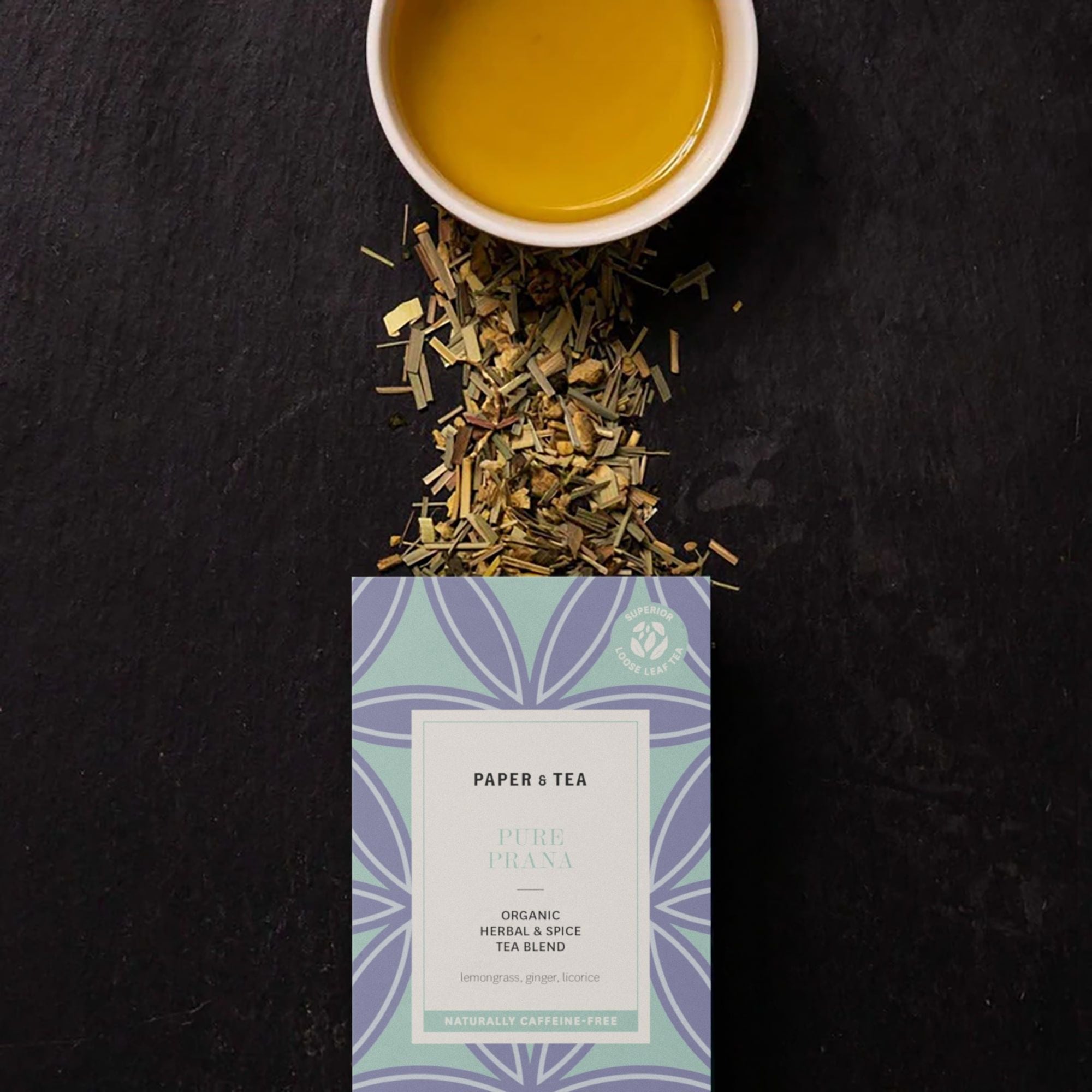
A cup of tea in the afternoon. A quick walk around the block. Three mindful breaths between meetings. These seemingly small moments can help reset your stress levels throughout the day.
5. Treat yourself like you'd treat a good friend
Imagine your best friend makes a mistake. Would you say, "Typical. You've completely messed things up again." Probably not.
Yet many of us speak to ourselves exactly that way. Practising self-compassion doesn't mean making excuses. It means offering yourself the same kindness and understanding you would naturally give someone you care about.

6. Don't make problems bigger than they are
When we're stressed, challenges often seem larger than they actually are. Try this simple exercise:
- Will this problem still matter in a week?
- In a month?
- In a year?
These questions create distance and help put things into perspective.
7. Look for small bright spots every day
No, you don't need to keep a gratitude journal if that isn't your thing. But our brains naturally focus on what's wrong. That's why it's worth actively noticing the small positive moments:
- a good conversation with a coworker
- sunlight streaming through the window
- your favorite song during your commute
- a quiet moment with a cup of tea
These moments won't change the world. But they can change how you experience it.
A 5-minute resilience routine for stressful days
No time for a lengthy morning routine? That's completely fine. When everything feels overwhelming, five intentional minutes can make a difference.
- 1 minute: Take a few deep breaths.
- 1 minute: Put your phone away.
- 1 minute: Write down what's on your mind.
- 1 minute: Slowly enjoy a cup of tea or a glass of water.
- 1 minute: Identify the one thing that matters most right now.
Five minutes won't solve every problem. But they can help you think more clearly about what comes next.
Tea as an anchor during turbulent times
Of course, a cup of tea doesn't magically make anyone resilient. But rituals can play an important role. During stressful periods, small habits provide structure and a sense of stability.
The act of brewing tea, feeling the warmth of the cup in your hands, or taking that first sip can become a simple reminder: Pause. Take a breath. No more. But often, no less.
Resilience doesn't start in a crisis
Many people think resilience only reveals itself during life's biggest challenges. In reality, it often develops long before those moments arrive. It grows through the small choices we make every day.
When we allow ourselves to pause. When we accept support from others. When we set more realistic expectations. When we treat ourselves with kindness. Resilience isn't about never falling down. It's about trusting that you can get back up. And that trust isn't built overnight. It grows step by step, through the ordinary moments of everyday life.
Show up for yourself:
[[ Product Slider ]]