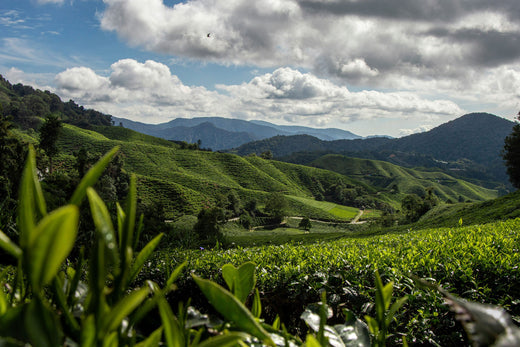
Did you know that the tea leaves we enjoy often embark on a long journey from distant lands? While typical tea-growing regions like India, China, and Japan are well known, there are also places like Kenya, Malawi, and Turkey that grow successfully tea. But is it really possible to grow tea in Europe, far from the classic tea regions? The answer might just surprise you. Discover with us where European tea is cultivated and what challenges are faced.
Tea and Climate: The Conditions for Growing Tea in Europe
The art of growing tea is a delicate science, requiring a keen touch. Hosting dreams of starting a tea farm on your balcony? It might be challenging, but with careful nurturing, an environment fitting for tea can be created. Tea plants thrive on a subtle balance of mild climate, acidic soils, and abundant rainfall. Despite Europe's climate not being the obvious choice, conditions can be tweaked to support tea growth, particularly by protecting plants from prolonged frost and cold winters.
Promising Regions: Where Tea Flourishes in Europe
The Azores, particularly the island of São Miguel, stand out as a success story for tea cultivation in Europe. With a mild, frost-free climate and abundant rain, water, and frequent mist, the Azores provide ideal conditions for tea. The acidic soil fosters deep root systems in tea plants, resulting in notably fresh aromas. The oldest tea gardens on the Azores, dating back to the 19th century, continue processing tea using original machinery and produce an array of varieties. Despite many farms closing, some established productions remain intact on São Miguel.

The southwest of England, particularly Cornwall, surprises with its gentle hills and maritime climate that favourably support tea harvests. Similarly, successful tea gardens can be found in Brittany, France, where tea plants thrive. These stories of tea in unexpected places demonstrate the importance of adapting to local conditions.
Success Story: German Tea in the Spotlight
Believe it or not, tea is being cultivated in Germany, just outside Cologne! This unique tea farm has been experimenting with Asian varietals for decades, proving its perseverance pays off: the German tea project produces high-quality teas and demonstrates how the delicate tea plant can survive Germany's challenging conditions. With expertise and dedication, this inspiring experiment shows how tradition and innovation can work hand in hand.

Challenges and Opportunities: The Future of European Tea
The growing popularity of locally-produced tea comes with its own set of challenges: from refining cultivation techniques and ensuring weather protection to establishing a recognised market standard. Sustainability plays a crucial role here. European tea farms often eschew pesticides — a vital step in the right direction to meet the demands of discerning consumers.
Tea Market on the Rise: European Tea Cultivation Gaining Momentum
In conclusion, the possibility of tea cultivation in Europe is not only feasible but already happening. Successful ventures can be found in the Azores, the UK, France, and even Germany! Key climate factors include a frost-free, mild climate, sufficient rainfall, and acidic soils. Europe's unexpected tea-growing wonders illustrate that tradition and innovation can create new horizons. The European tea industry represents an exciting experiment with the potential to sustainably transform and enrich the enjoyment of tea.