


Let’s be honest: how often do you actually take your time when eating? For many of us, meals happen the same way everything else does these days: as quickly as possible. Breakfast on the go. Lunch at your desk. Dinner while binge-watching the latest show. No wonder so many people feel overly full, sluggish, or uncomfortable after eating instead of pleasantly satisfied.
If you're already thinking “guilty,” here’s the good news: you don’t need to completely overhaul your diet to feel better after meals. Sometimes, the solution is surprisingly simple: eat more slowly.
Because sometimes it’s not just what we eat that matters, but also how we eat it. Read on to discover the surprisingly big difference your eating speed can make.
- When Eating turns into a sprint: What happens in your body
- Why Slow Eating can support digestion
- Your satiety signals don’t arrive as a push notification
- Can Slow Eating help with feeling overly full?
- Slow Eating: More than just another food trend
- 5 simple ways to eat more slowly
- Feeling lighter starts before the meal is over
- A small ritual for more relaxed moments
When Eating turns into a sprint: What happens in your body
Your schedule may move fast. Your digestive system doesn't. Your digestive system works around the clock, but there’s one thing it appreciates more than anything else: a little breathing room. When we rush through a meal in just a few minutes, our bodies have very little time to properly process what we're eating.
We also tend to chew less thoroughly and often swallow more air. That can contribute to feeling bloated, overly full, or uncomfortably heavy after eating. If you frequently deal with bloating or digestive discomfort, it’s worth paying attention not only to what’s on your plate, but also to your eating habits.

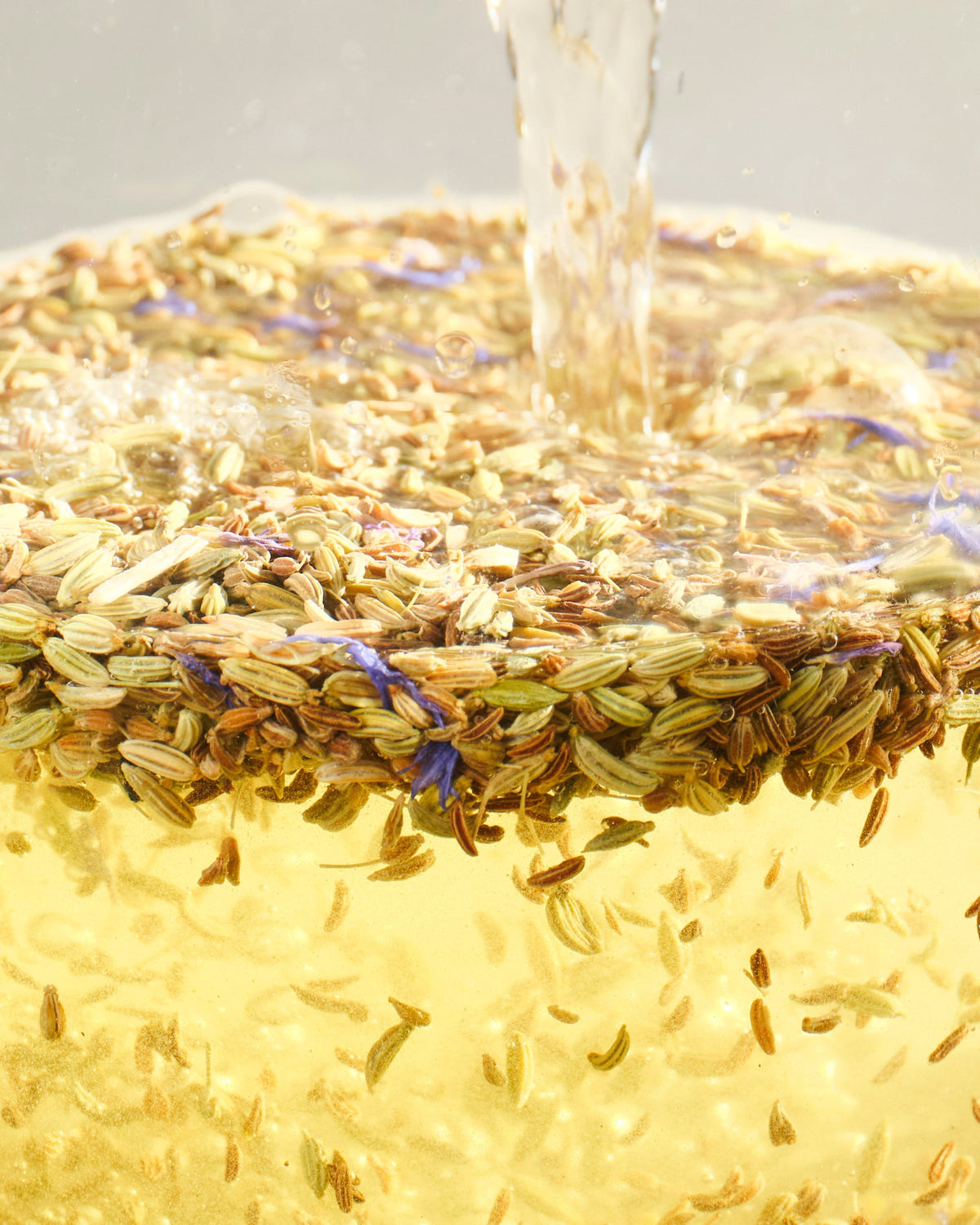
[[ Image Description: Take your time, chew slowly, and notice your stomach settling into a calmer rhythm. ]]
Why Slow Eating can support digestion
Digestion doesn’t begin in your stomach. It actually starts with the very first bite.
When you chew, food is broken down and mixed with saliva. This helps digestive enzymes do their job more efficiently and reduces some of the workload placed on your stomach.
Thorough chewing makes a difference
The more food is broken down in your mouth, the less work your digestive tract has to do later. That doesn’t mean counting every chew. But mindful chewing can help meals feel lighter and easier to digest.
Less air, less bloating
People who eat quickly often swallow extra air without realizing it. That air can build up in the digestive system and contribute to a bloated feeling.
That’s why slow eating can be a simple way to support digestion and improve issues like bloating and post-meal fullness.
Your satiety signals don’t arrive as a push notification
There’s a lot of communication happening between your stomach, your gut, and your brain. And none of it happens instantly.
It typically takes around 15 to 20 minutes for your brain to fully receive the signal that you've eaten enough. That feeling is known as satiety.
Why Fast Eating can lead to overeating
If you finish lunch in just a few minutes, you may end up eating more than your body actually needs. Not because you're especially hungry, but because your satiety signals simply haven't caught up yet. Eating more slowly gives your body the chance to recognize when it's had enough.
More enjoyment, less autopilot
When you slow down, you're more likely to notice both hunger and fullness cues. Eating becomes more intuitive and less like another task to rush through. Instead of simply consuming food, you get to actually enjoy it.
Can Slow Eating help with feeling overly full?
Of course, there are many possible causes of bloating, fullness, and digestive discomfort. Certain foods, stress levels, and food sensitivities can all play a role. Still, many people find that eating more slowly helps them feel better after meals.
Slow eating may be especially helpful if you often:
- feel overly full after eating
- experience bloating
- feel full very quickly
- eat while stressed or distracted
- feel tired and sluggish after meals
Slow Eating: More than just another food trend
The concept of slow eating is closely connected to mindfulness. The idea is simple: food isn’t just about getting full. It’s also meant to be enjoyed.
Because let’s be real. Many meals disappear before we’ve even had a chance to notice how they taste. Slow eating doesn’t mean spending hours at the table. It simply means paying a little more attention to the moment. And that can make a surprisingly big difference.

[[ Image Description: Put your phone aside for a moment and experience your meal with all your senses. ]]
5 simple ways to eat more slowly
1. Put your utensils down between bites
One of the easiest tricks out there. Taking short pauses between bites naturally slows your pace.
2. Chew more mindfully
You don’t need to chew every bite 30 times. Often, simply waiting until you've fully finished one bite before taking another is enough.
3. Avoid eating on autopilot
Your phone, laptop, or favorite streaming series can distract you from your body's signals. Paying attention during meals makes it easier to recognize hunger and fullness.
4. Take a deep breath before you start
A brief moment of calm before your first bite helps signal to your body that it’s time to eat.
5. Make time for meals
Whenever possible, aim to spend at least 20 minutes on a main meal. Your digestive system will thank you.
Feeling lighter starts before the meal is over
When we feel heavy, sluggish, or bloated after eating, we often look for the cause on our plate. But sometimes it’s worth taking a step back and looking at how we eat.
Slow eating can support digestion, strengthen satiety signals, and contribute to a more comfortable feeling after meals. It costs nothing, requires no complicated rules, and can be put into practice immediately. Balance isn’t always about adding something new. Sometimes it’s about slowing down something we already do every day.
A small ritual for more relaxed moments
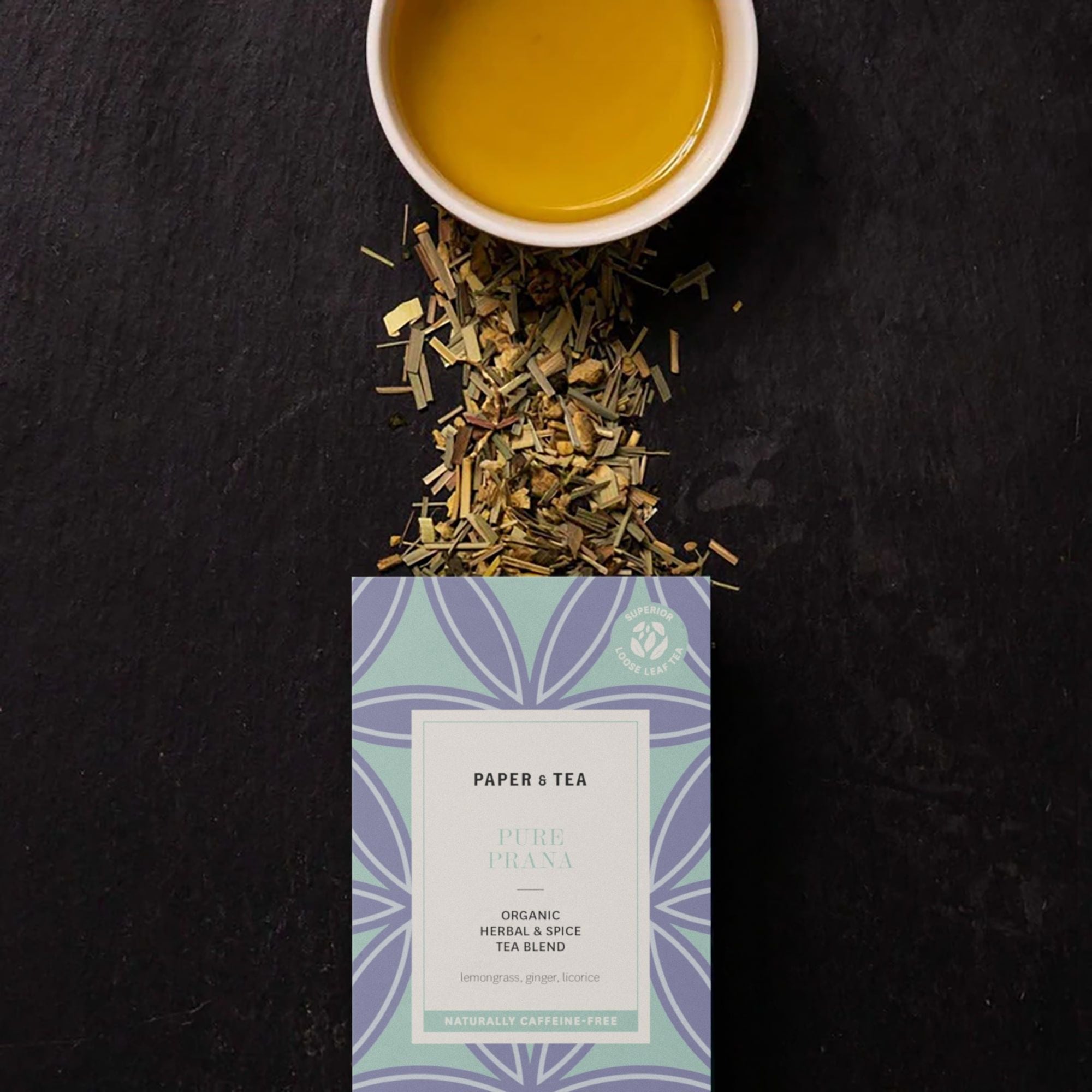
If you'd like to unwind after a meal, ending it with a warm drink can be a simple and comforting ritual. Many people enjoy tea and herbal infusions as a way to slow down and reconnect with the moment. Not as a miracle cure, but as an invitation to pause, take a breath, and pay a little more attention to your well-being.

[[ Image Description: A hot cup of tea after a meal brings all the relaxed, feel-good vibes. ]]
We often search for complicated solutions when it comes to feeling our best. Yet sometimes the answer lies in a surprisingly simple habit. Slow eating can support digestion, improve satiety, and help reduce bloating and feelings of fullness. But perhaps most importantly, it brings back something that often gets lost in a busy day: mindful enjoyment. And maybe a little more balance starts with your very next bite.
Find your Balance
[[ Product Slider ]]