Hi, I'm Sarah
Favorite Products of Sarah
Latest Posts of Sarah

Lifestyle
Probiotics the Natural Way: Your Everyday Guide
Want to get probiotics naturally, no supplements needed? Here's which fermented foods actually contain live cultures — and how to work them into your everyday life.

Glossary
Catechins
Catechins are the plant compounds behind that crisp, slightly bitter edge in your green tea – tea drinkers were tasting them centuries before anyone had a name for them. Chemically, they belong to ...

Glossary
Superfood
Superfood is an umbrella term for foods believed to have an unusually high nutrient density – lots of vitamins, minerals, or plant compounds relative to their calories. The term itself isn't protec...

Glossary
Digital Detox
Digital detox describes a deliberate, time-limited break from digital devices and media – smartphone, tablet, laptop, social media, sometimes TV too. Despite the name, it's not a medical detox. It'...

Glossary
Free Radicals
Free radicals are unstable molecules that form constantly in our cells – and in excess, they can trigger oxidative stress. We break down what's behind it and how the body protects itself.

Inside P&T
Home is a feeling: our 2026 Advent Calendar
Homecoming instead of holiday stress: our 2026 Advent Calendar brings 24 organic teas and a feeling of home into your December – limited edition.

Glossary
Dietary Fiber
Dietary fiber is the part of plant food your body can't turn into energy – and it's still one of the most important things on your plate. You'll find it in vegetables, fruit, whole grains, and legu...
Lifestyle
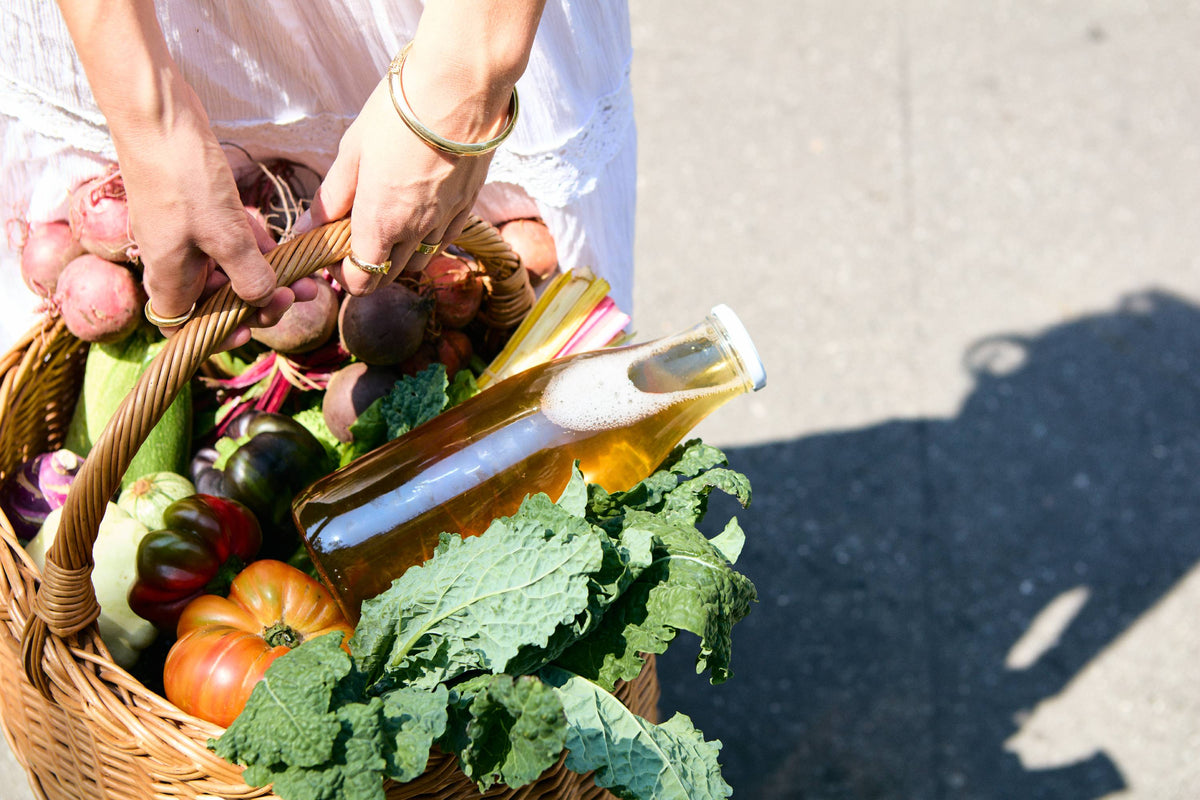
Longevity: The Desire for a Long, Healthy Life
Longevity is more than biohacking and expensive blood tests: we break down what actually matters for a long, healthy life — practical, not hype.
Glossary
Polyphenols
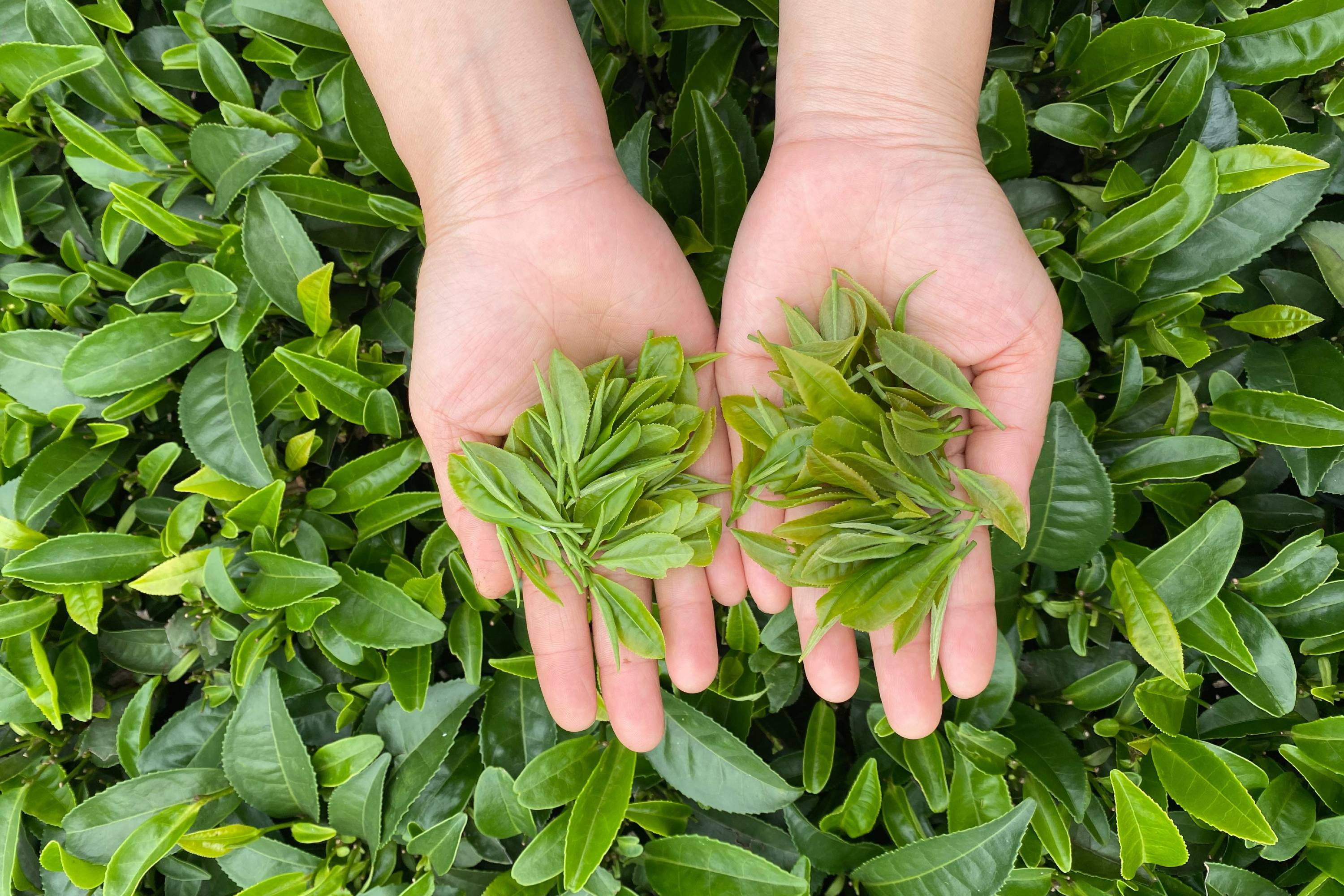
Polyphenols are a large group of plant compounds responsible for the color, flavor, and character of tea. If you've ever tasted the bold bite of sencha tea or the delicate astringency of black tea,...

Glossary
Microbiome
An estimated 100 trillion microorganisms from around 400 bacterial species live in your gut – together known as your microbiome or gut flora. We explain how this tiny city inside you works, and why...

Glossary
Echinacea
Echinacea, better known as coneflower, is a perennial native to North America, valued both as an immune-supporting medicinal herb and as a decorative garden plant. Its name comes from the Greek wor...

Glossary
Dehydration
Dehydration is what happens when your body loses more fluid than it takes in over an extended period of time. The term comes from the Greek "hydor" (water) and the Latin prefix "de-" (removal) – li...

Lifestyle
Calming your Nervous System: 5 Techniques that actually work fast
Calming your nervous system means sending your body one clear signal: you're safe right now. A longer exhale, cold water on your skin, or a deliberate moment of stillness can activate your parasymp...

Glossary
Dopamine
Dopamine is a messenger your body makes on its own. As a neurotransmitter, it carries signals between nerve cells, and its main job is to drive motivation. It's produced mainly in the midbrain, pow...
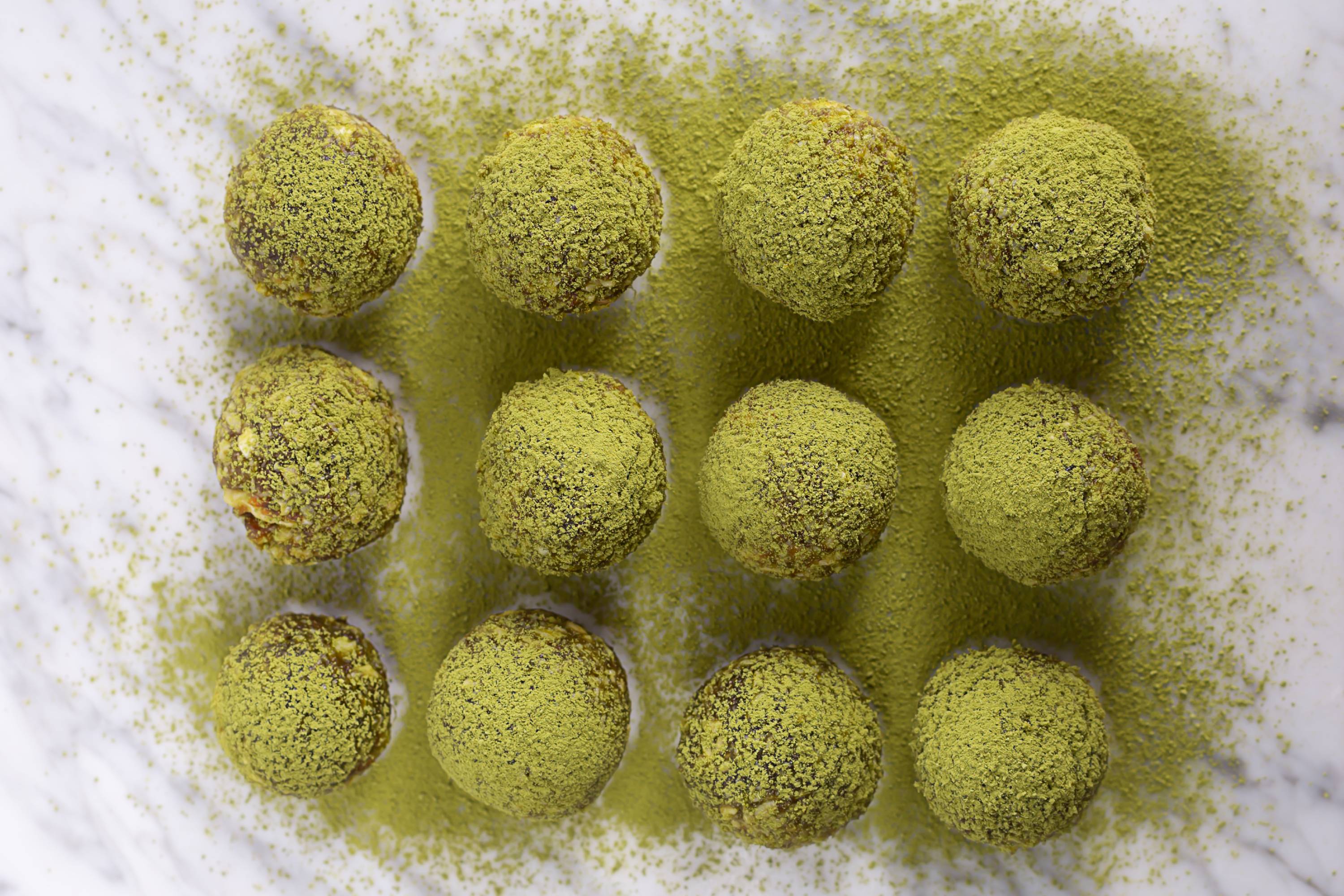
Recipes
No-Bake Matcha Energy Balls: Vegan Snack for your Afternoon Slump
No-Bake Matcha Energy Balls are raw, vegan energy bites made from dates, cashews, and matcha – no oven needed, mixed and rolled in 20 minutes. Sweet, lightly nutty, with that signature grassy-cream...