Description
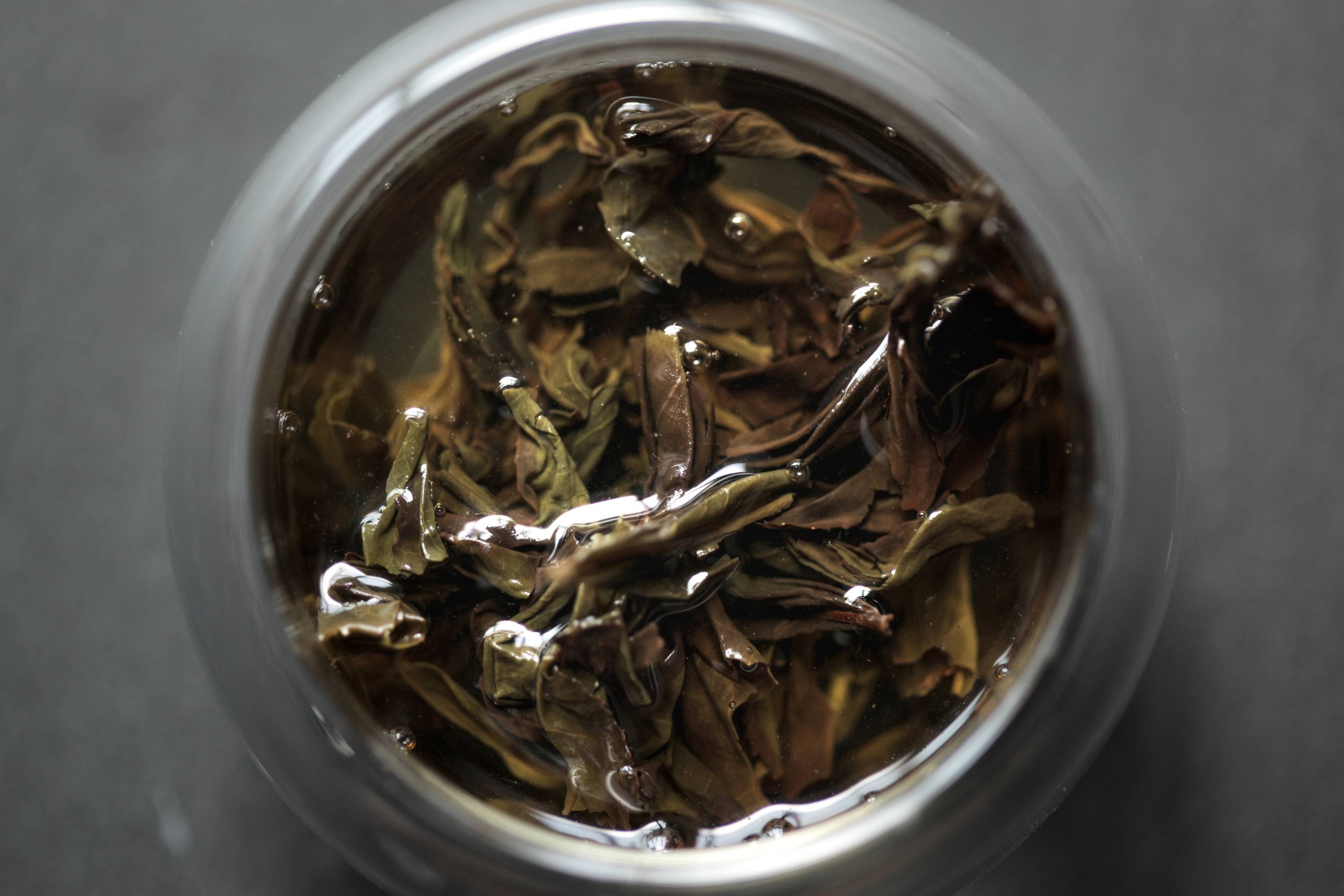
Formosa Tea belongs to the Oolong family, celebrated for its semi-oxidised processing method, which sits between that of green and black tea. Taiwan, with its diverse tea-growing regions, provides ideal conditions for cultivating this tea due to its unique climate and mountainous terrain. The tea offers a wide array of flavour profiles, often exhibiting floral, fruity, and occasionally slightly spicy or nutty undertones, depending on the specific region and harvest conditions. Formosa Tea is often enjoyed on its own to fully appreciate its array of aromas.
Historical Background
The history of Formosa Tea began in the 19th century during Japanese rule, when Taiwan's tea industry saw considerable development. The island's mountainous landscape and humid, misty climate made it perfect for tea cultivation. Formosa Tea was introduced to Western markets by British traders in the late 19th century and quickly gained popularity. The name "Formosa" itself comes from "Ilha Formosa," meaning "beautiful island," a name given by Portuguese sailors in the 16th century.
Interesting Facts
- Prime Growing Areas: The finest Formosa Oolong teas come from Nantou and Chiayi mountain regions, where altitude and climate conditions are ideal for tea plants.
- Brewing Tips: To unlock its complex flavours, experts recommend brewing Formosa Tea at around 90 °C and allowing it to steep for 2 to 4 minutes.
- Formosa in Tea Culture: Formosa Tea holds a special place in Taiwanese tea culture and is often used in traditional tea ceremonies.
- Leaves and Appearance: Typically, the leaves of Formosa Tea are large and slightly twisted, giving them a unique appearance that sets them apart from other Oolong teas.