Hojicha vs. Matcha might sound like niche tea-nerd territory—but the details are genuinely useful in real life. Even though both drinks come from Japan and are often sold as finely ground powders, they differ massively in flavor, processing, and caffeine. One is vivid green and intense; the other is warm brown and gently roasted—which is exactly why they fit completely different moments in your day.
The short version: Matcha is made from shade-grown, chlorophyll-rich tea leaves and tastes bold, green, and umami-forward with a lightly bitter edge. Hojicha is made from later-harvested leaves that are carefully roasted, which makes it smoother and more mellow—often with nutty, caramel-like, and softly smoky notes. And because both leaf choice and roasting tend to lower caffeine, hojicha is widely considered the gentler alternative if you love green tea but want less caffeine. Now let’s dig into the differences of these two Japanese green teas.
Same plant, different qualities
Both teas originate from the same tea plant, yet they are vastly different in the cup. The reason isn’t “magic,” it’s precision craft: what happens before harvest (shade or sun), and what happens after harvest (steaming, milling, roasting) determines how your tea looks, tastes, and feels.
Matcha or Hojicha: Why not both?
[[ Product Slider ]]
Matcha: the bright-green ritual
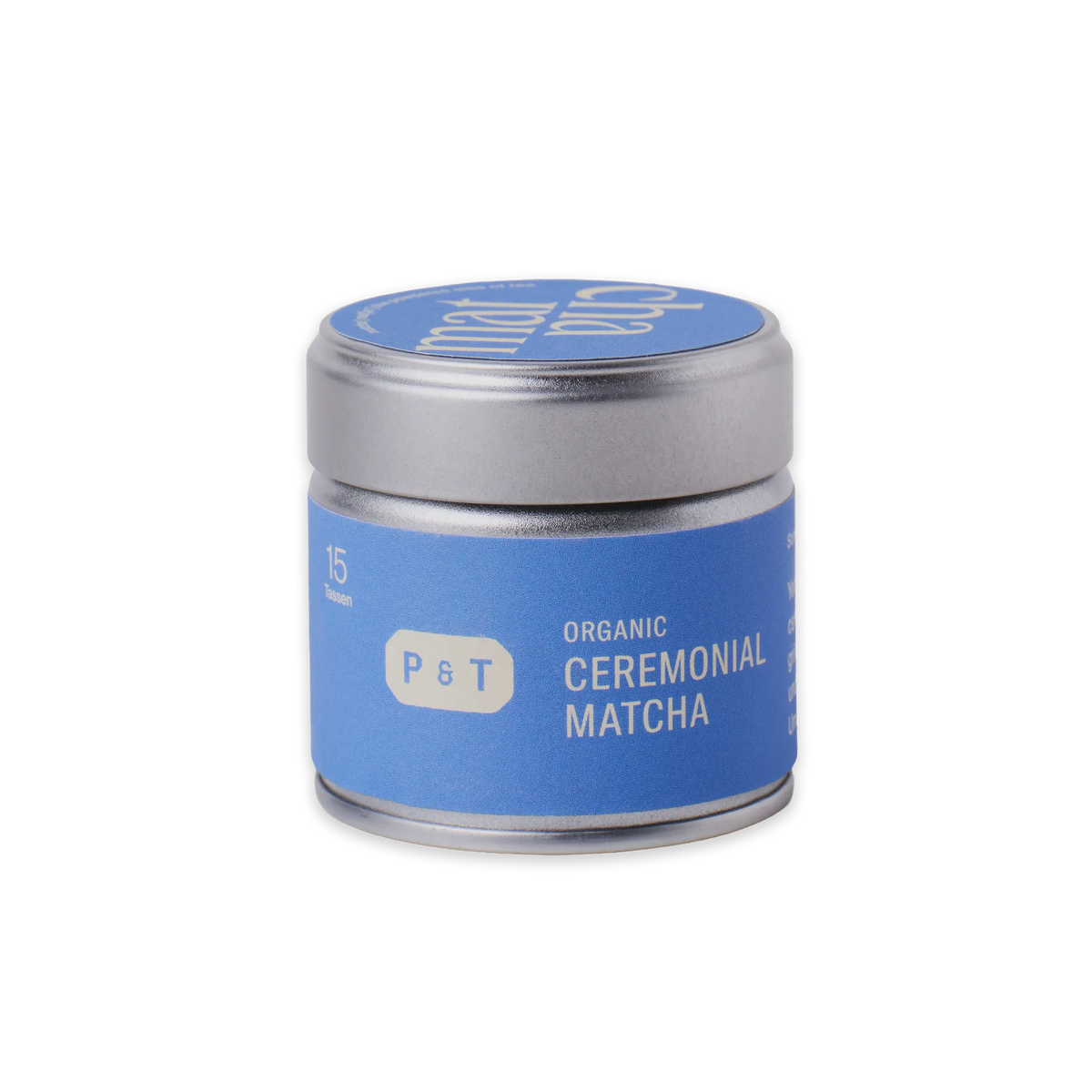
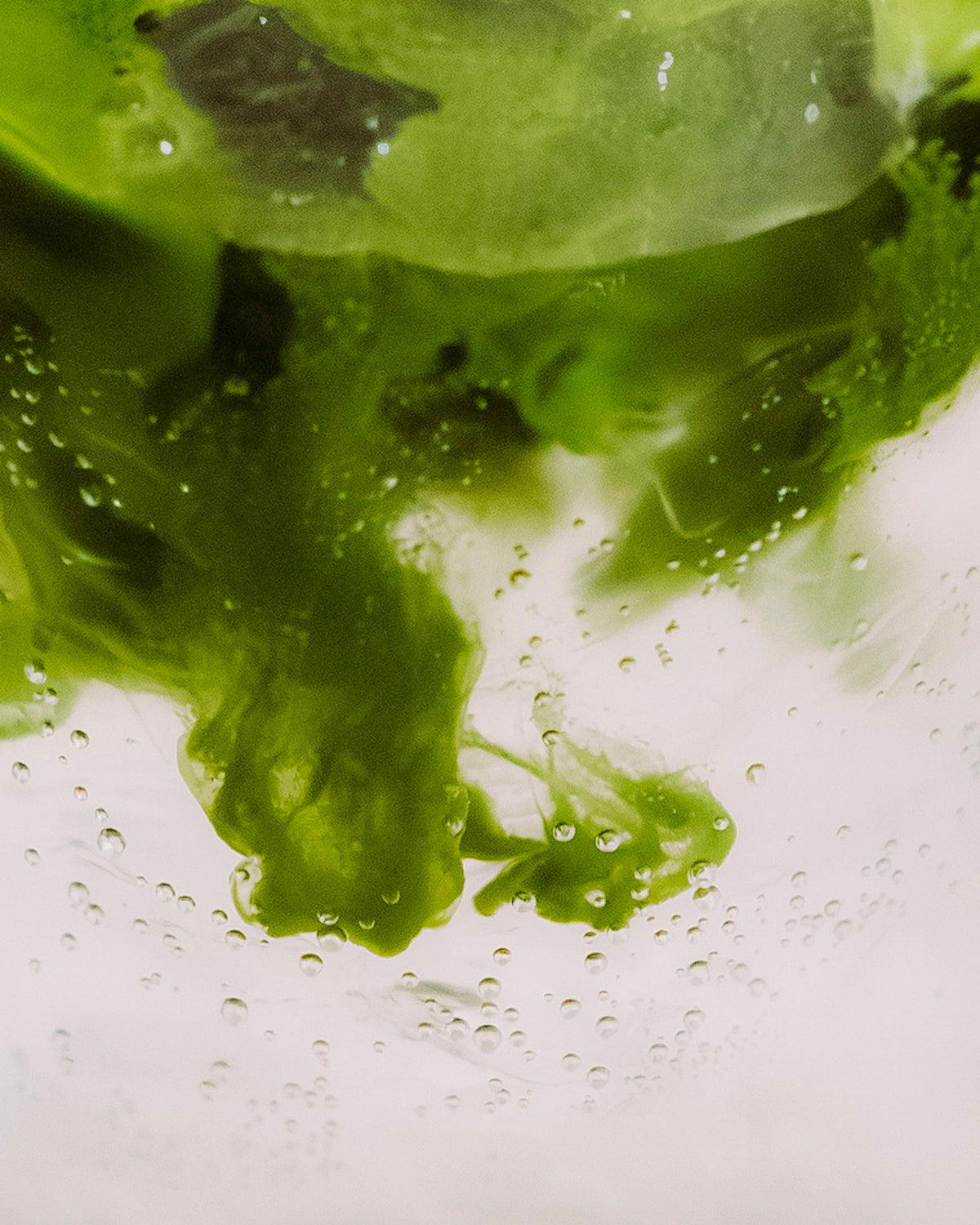
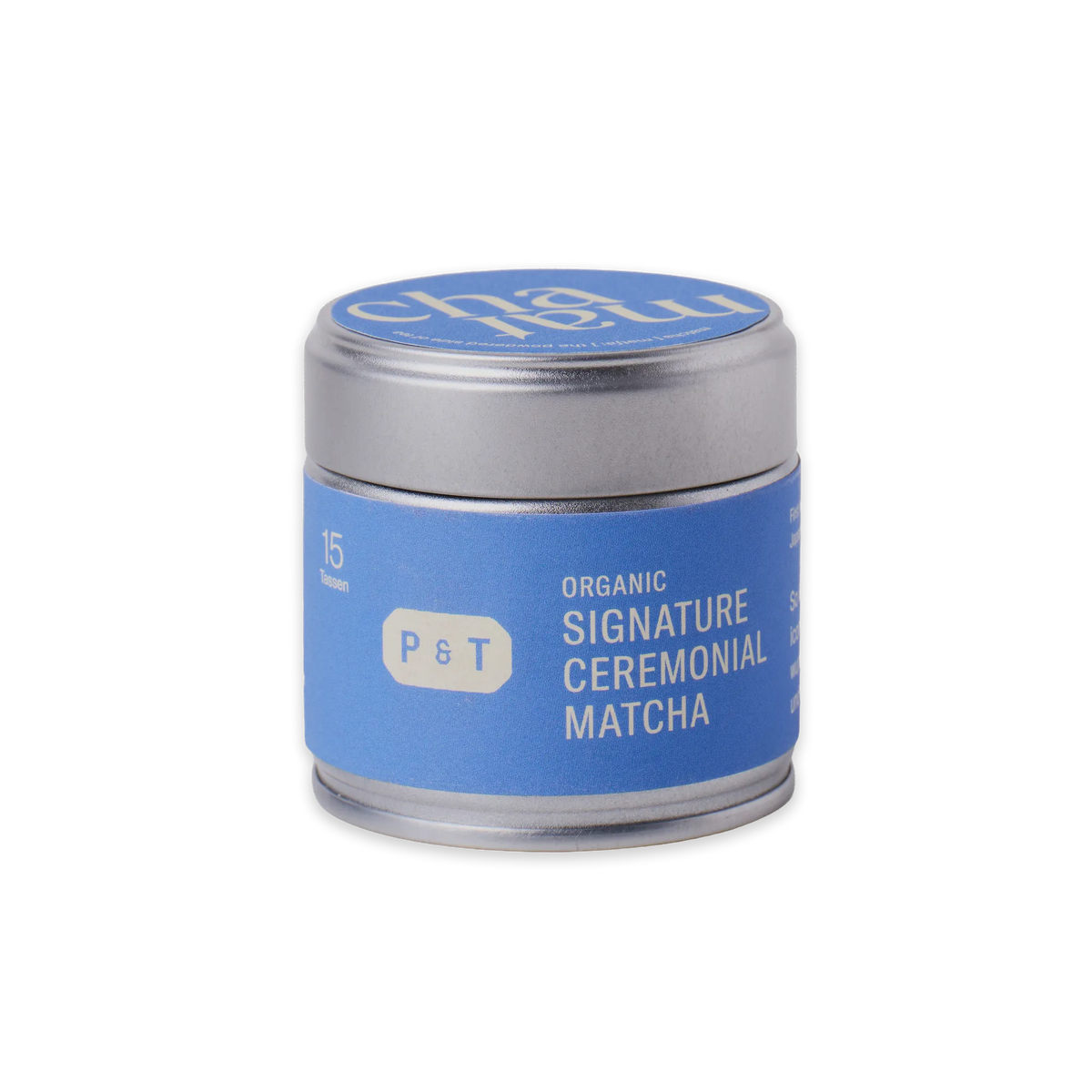
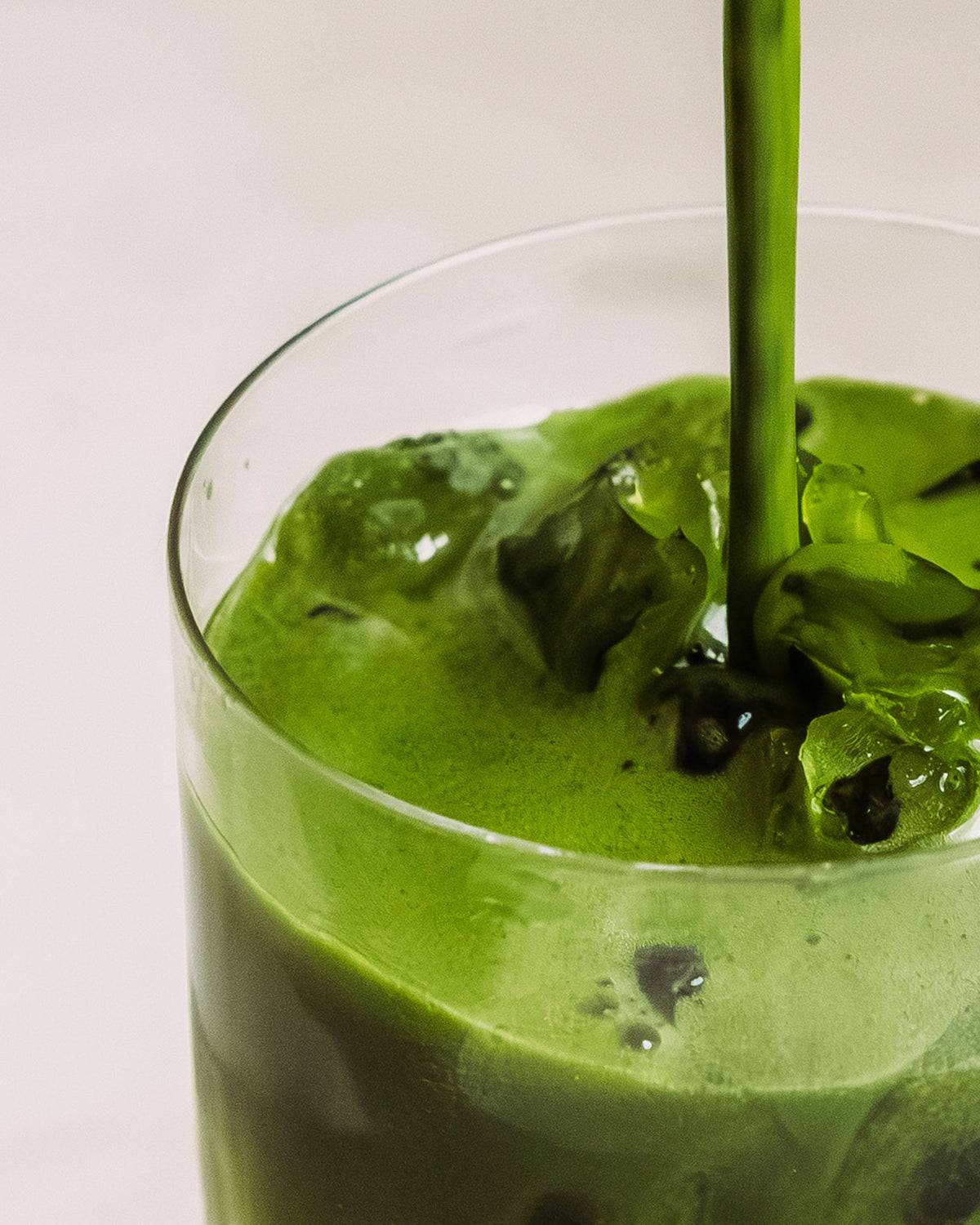
Matcha is powdered green tea made from tencha leaves. Those leaves are shade-grown for several weeks before harvest, which helps create matcha’s signature bright green color and its distinctly “green” flavor with umami depth. After harvest, the leaves are steamed, dried, de-stemmed, and traditionally stone-milled into an ultra-fine powder. And matcha isn’t brewed like a typical tea infusion—it’s whisked directly with hot water using a bamboo whisk (chasen), meaning you’re (in a simplified sense) consuming the whole leaf in powdered form.

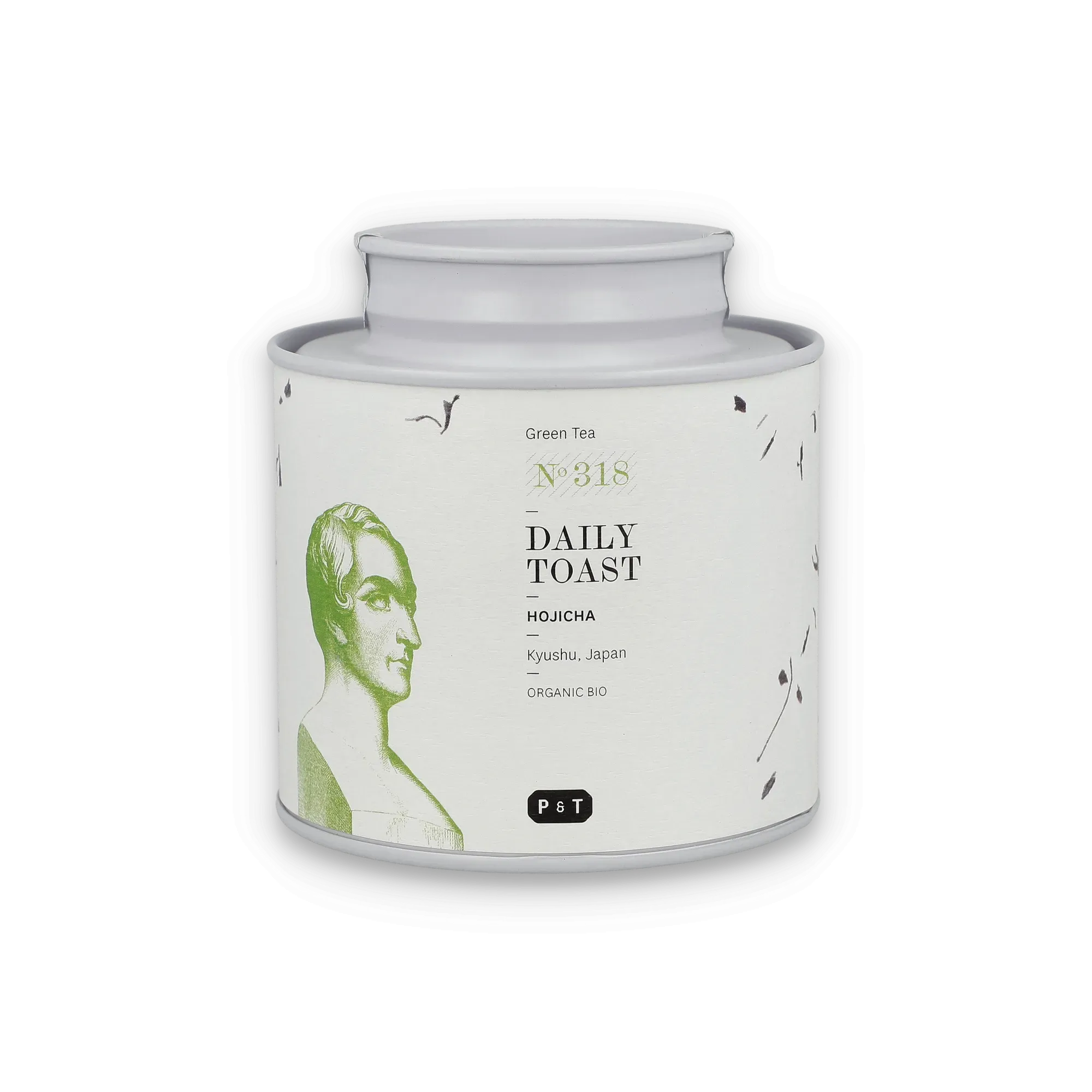
Hojicha: the roasted everyday hero
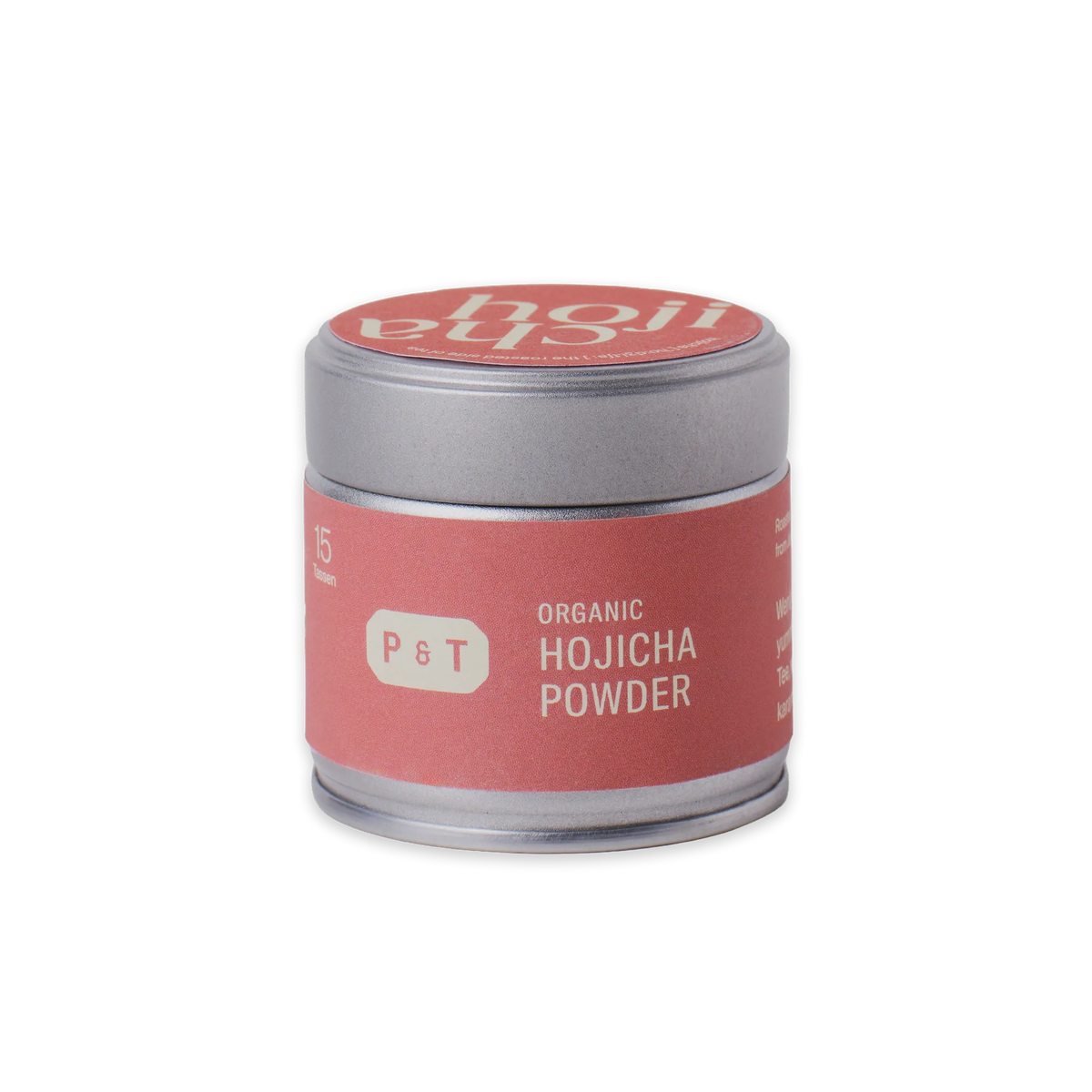
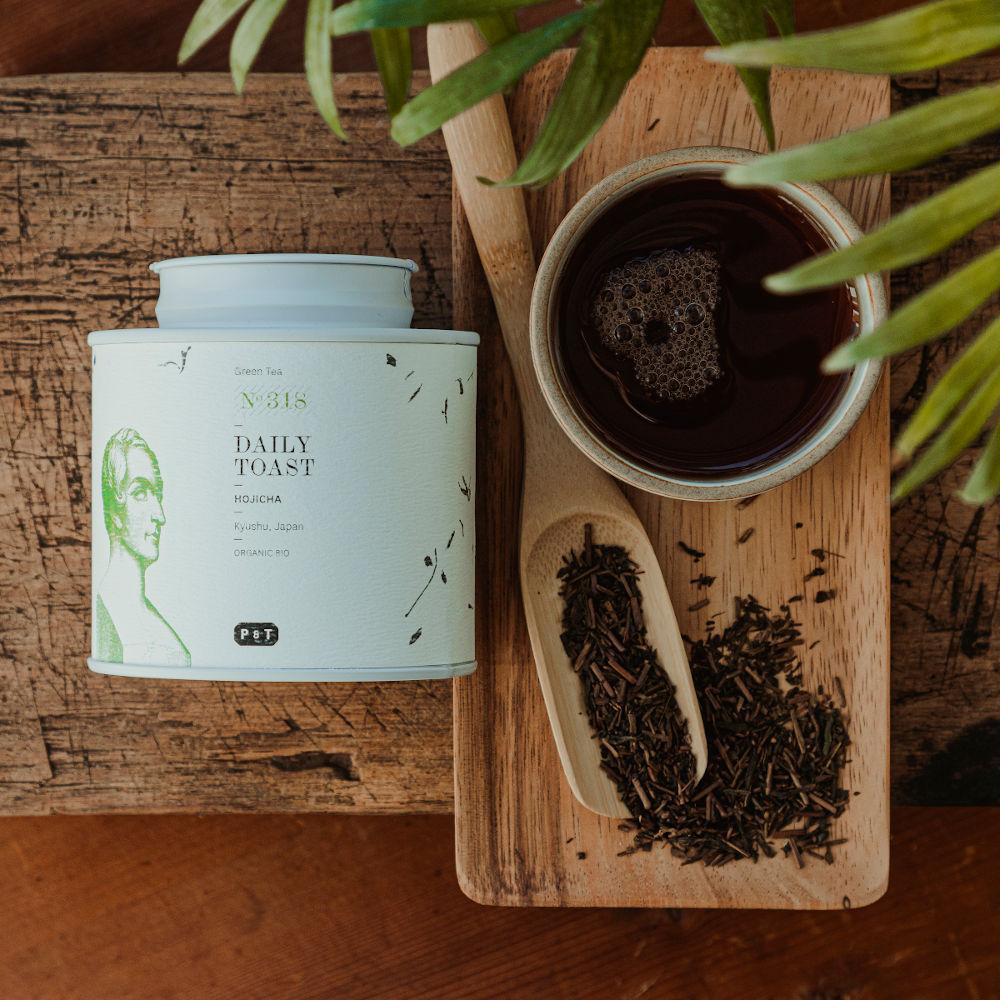
Hojicha is also green tea—though you’d never guess it at first glance, because the leaves are roasted after processing. Roasting transforms both color and aroma: green turns into warm brown, and vegetal notes shift into toasty, nutty, caramel-like flavors. Traditionally, hojicha is enjoyed as a loose-leaf tea infusion. Hojicha powder is a more modern format that’s especially popular for lattes and recipes.garden. With hojicha, the transformation happens after harvest—inside the roaster.
Why matcha grows in the shade before harvest
For high-quality matcha, tea plants are shaded for weeks, often using special nets stretched across the fields. Less light encourages more chlorophyll in the leaves—hence that deep, saturated green. Many people also describe the flavor as rounder and more umami-rich, though how noticeable this is depends on quality and preparation.
How roasting completely changes hojicha
Hojicha is made by taking fully processed green tea—often bancha or sencha—and roasting it after steaming. Heat reduces bitterness and develops new roasted aromas that people commonly describe as nutty, caramel-like, or cocoa-adjacent. Roasting also helps explain why hojicha usually ends up much lower in caffeine than matcha (more on that next).

Flavor comparison: umami meets roasted notes
The first sip is usually the moment it clicks: these are two completely different worlds. Matcha tastes vivid, green, and vegetal; hojicha feels like the cozy counterpart—warm, roasted, and gentle.
Matcha: green, bold, and lightly bitter
Matcha is often described as creamy, umami-forward, and vegetal. Some people compare the aroma to “fresh-cut grass” (as an image, not a judgement). Depending on the grade, matcha can taste noticeably smoother—or more intense. Texture matters, too: whisked matcha can develop a velvety density and a soft foam that changes the whole experience.
Hojicha: smooth, nutty, and surprisingly mellow
Hojicha tastes rounder and softer. Roasting brings out flavors that can read like toasted nuts, caramel, or roasted grains, with very little bitterness. That’s why hojicha often feels approachable—especially if matcha tastes “too green” or too intense for you.
Caffeine: energy vs. ease
Now for the question everyone asks: How much caffeine is actually in it? The short answer: matcha typically contains significantly more caffeine than hojicha—not because it tastes “stronger,” but because production and preparation are fundamentally different.

Matcha as a focused start to the day
Matcha is whisked directly into hot water, so you’re consuming the leaf in powdered form. A typical serving (around 2 g) is often cited in the range of about 30–60 mg of caffeine, depending on dose and quality. Caffeine is a stimulant—so while we’re not making medical claims, it’s fair to say that caffeine can contribute to alertness and may help you feel more focused.
Hojicha as the mellow alternative
Hojicha is generally much lower. Depending on leaf composition (more leaf vs. more stems), roast level, and steep time, hojicha is commonly described as a low-caffeine green tea—but it’s important to say it still contains caffeine. A practical ballpark is around 7–20 mg per cup. Less “kickstart,” more “soft exhale”—ideal when you want tea later in the afternoon or evening.
Which one should you choose—matcha or hojicha?
So what fits your moment? Once you understand both teas, you can treat them like two playlists: one for focus, one for cozy.
Matcha for focus, morning rituals, and creative energy
Matcha shines in the morning or early afternoon: as a small ritual before your laptop, as a latte at your favorite city café, or as your “okay, I’m really doing this to-do list” moment. Its intensity also makes it fun in recipes—think desserts, baked goods, or a classic matcha latte.

Hojicha for calm moments and an easy unwind
Hojicha is often the pick for later: after a meal, in the afternoon, or in the evening, when you want something warm and comforting. Its roasted notes feel familiar—and because it usually contains less caffeine, many people see it as a better “late-day” option.
Hojicha vs. matcha at a glance
- Color: matcha is bright green; hojicha is warm brown
- Processing: matcha is shade-grown & stone-milled; hojicha is roasted
- Flavor: matcha is umami/vegetal; hojicha is nutty/toasty
- Caffeine: matcha is typically higher; hojicha is typically lower
- Best timing: matcha earlier in the day; hojicha works later, too
The underrated tip: why hojicha is having a moment
Matcha has gone mainstream—and that’s shifting the tea landscape. As demand for matcha rises, more people are also looking for alternatives that feel different in both flavor and vibe. In that context, hojicha is increasingly showing up as a smooth, toasty, lower-caffeine option—especially in lattes and café-style drinks. In a world where everything is always “more,” a tea that’s intentionally gentler can feel like a small luxury.

Two teas, one lifestyle—your personal moment
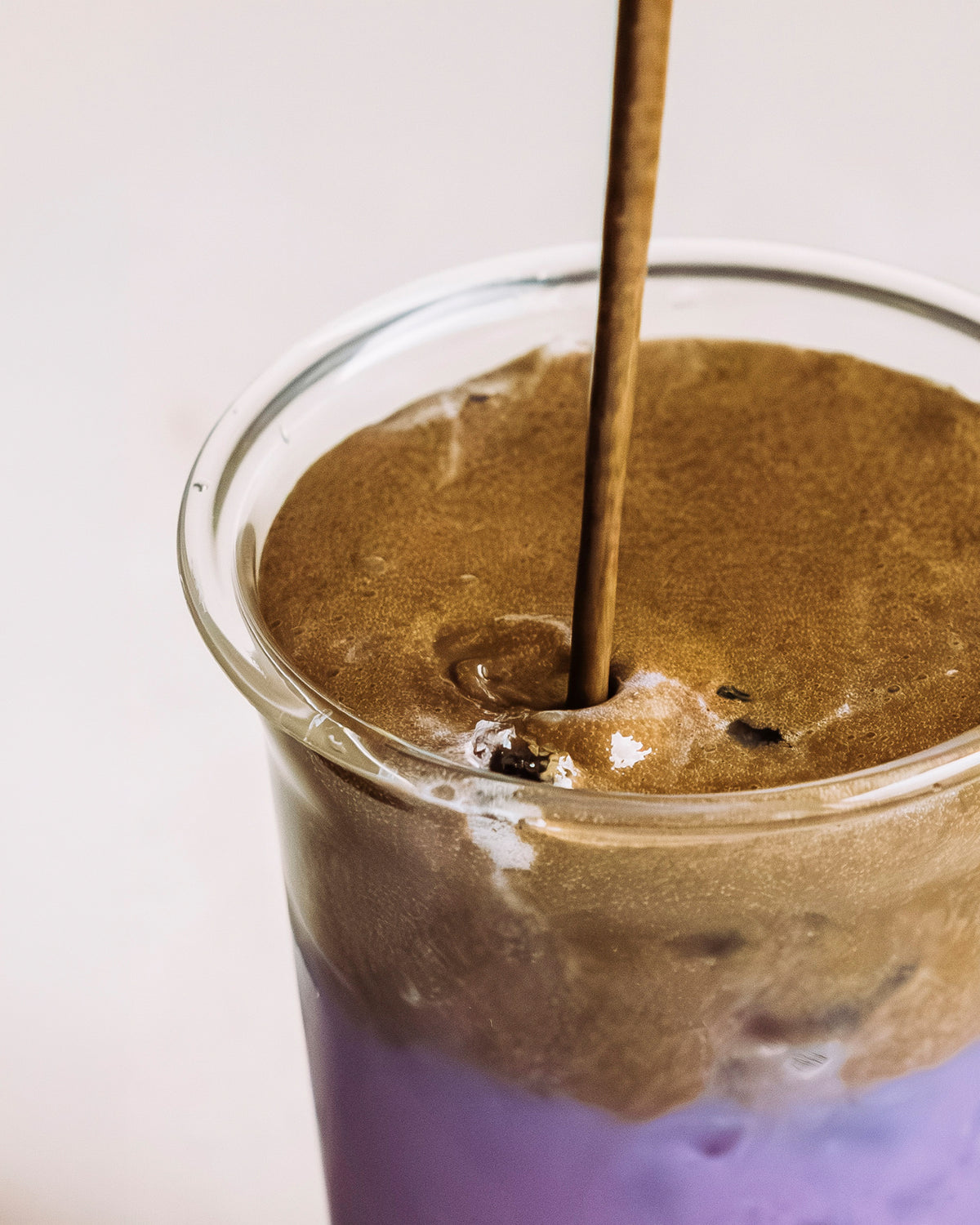
If tea is part of your everyday, you don’t have to choose: matcha can be your crisp morning ritual, while hojicha can be your warm wind-down. And if you want to experience the contrast in a very practical way, hojicha powder is a great starting point. It’s finely milled like matcha, but much gentler in flavor—bringing roasted, nutty notes that blend beautifully into dairy or plant-based milks and open up new “tea latte” worlds without tasting like full-on matcha intensity.